
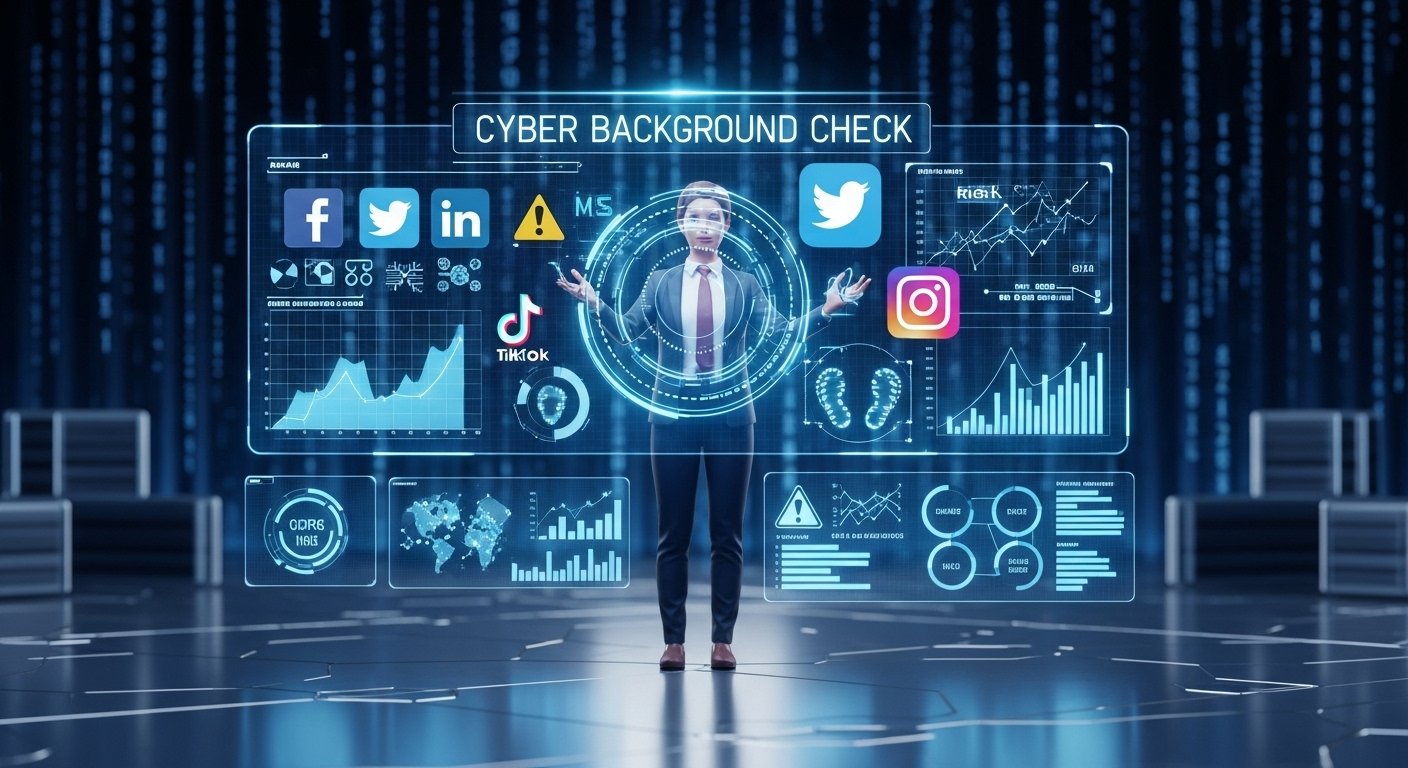
In today’s digital-first world, your online presence speaks volumes about who you are. Employers, landlords, and organizations are increasingly turning to cyber background checks to get a fuller picture of individuals beyond what traditional screening methods reveal. But what exactly is a cyber background check, and why has it become so essential?
This comprehensive guide breaks down everything you need to know about cyber background checks—what they uncover, why they matter, and how to prepare for one.
What Is a Cyber Background Check?
A cyber background check is a specialized screening process that examines an individual’s digital footprint and online activities. Unlike traditional background checks that focus primarily on criminal records, employment history, and credit reports, cyber background checks dive deep into your presence across the internet.
This type of screening typically analyzes:
- Social media profiles (Facebook, Instagram, X/Twitter, LinkedIn, TikTok)
- Online posts, comments, and interactions
- Forum participation and digital communications
- News articles and media mentions
- Dark web presence (in some cases)
- Professional certifications and credentials
Cyber background checks are commonly conducted for roles that involve access to sensitive information, including IT professionals, system administrators, executives, healthcare workers, and financial service employees.
How Cyber Background Checks Differ from Traditional Background Checks
Understanding the distinction between these two screening methods is important:
| Traditional Background Check | Cyber Background Check |
|---|---|
| Criminal record searches | Social media activity analysis |
| Employment verification | Digital footprint examination |
| Education verification | Online behavior assessment |
| Credit history review | Dark web monitoring |
| Reference checks | Cybersecurity awareness evaluation |
| Driving record checks | Forum and community participation review |
While traditional checks look at documented records and past events, cyber background checks provide insight into a person’s character, judgment, and potential risks based on their online behavior. Many employers now combine both methods for comprehensive screening.
What Do Cyber Background Checks Reveal?
1. Social Media Activity
Employers review public profiles to identify:
- Inappropriate or offensive content
- Discriminatory statements or hate speech
- Evidence of illegal activities
- Sharing of confidential or sensitive information
- Professional demeanor and communication style
According to recent industry data, approximately 45% of employers now check candidates’ social media profiles as part of their hiring process.
2. Past Cyber Incidents
Screening services search for any involvement in:
- Data breaches
- Security violations
- Hacking activities
- Identity theft
- Cybercriminal associations
3. Professional Credentials Verification
For technical roles, checks verify:
- Cybersecurity certifications (CISSP, CEH, CompTIA Security+)
- Claimed skills and qualifications
- Professional memberships and affiliations
- Published work and contributions
4. Digital Footprint Analysis
This includes examining:
- Search engine results for your name
- Blog posts and articles
- Video content
- Business reports and mentions
- Online reviews and comments
5. Dark Web Monitoring
Some advanced cyber background checks include dark web searches to identify:
- Compromised credentials
- Association with hacking forums
- Participation in illegal marketplaces
Why Cyber Background Checks Matter
Preventing Insider Threats
Insider threats remain one of the biggest cybersecurity concerns for organizations. Cyber background checks help identify individuals with questionable online behavior who could potentially become security liabilities. By screening for past involvement in cyber incidents or risky digital behaviors, companies can significantly reduce their vulnerability to internal threats.
Reducing Cybersecurity Risks
With cyberattacks becoming more sophisticated, organizations need employees who understand and practice good cybersecurity hygiene. Cyber background checks evaluate a candidate’s security awareness and identify any red flags that could indicate susceptibility to social engineering attacks like phishing.
Ensuring Regulatory Compliance
Many industries face strict regulatory requirements regarding personnel security:
- Healthcare: HIPAA requires protecting patient information
- Finance: PCI DSS mandates securing payment card data
- Government: Various clearance levels require thorough vetting
- General Data Protection: GDPR and CCPA impose strict data handling requirements
Cyber background checks help organizations demonstrate due diligence and maintain compliance with these regulations.
Protecting Sensitive Data
For companies handling financial records, customer information, intellectual property, or trade secrets, ensuring that employees are trustworthy is paramount. A thorough cyber background check provides an additional layer of protection.
Making Better Hiring Decisions
Beyond security concerns, cyber background checks offer insights that resumes and interviews cannot provide. They reveal how candidates present themselves professionally online, their communication style, and their judgment in public forums.
Yes, but they must comply with laws like the Fair Credit Reporting Act (FCRA) in the US, Equal Employment Opportunity Commission (EEOC) regulations, and international data protection laws like GDPR.
Legal Considerations and Compliance
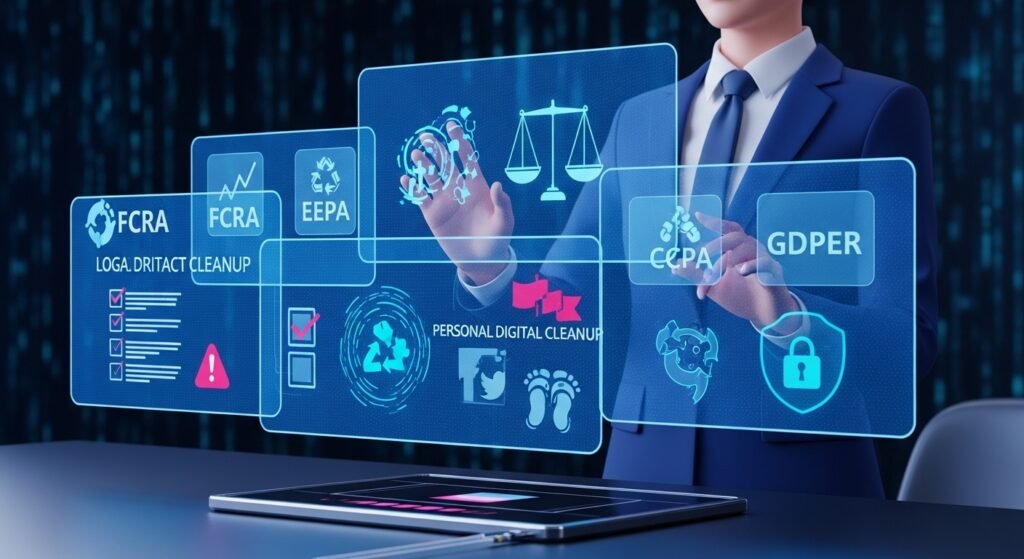
Fair Credit Reporting Act (FCRA)
In the United States, the FCRA regulates how background checks are conducted and used. Key requirements include:
- Written consent from the individual
- Disclosure of the screening purpose
- Adverse action notices if decisions are based on findings
- Opportunity to dispute inaccurate information
Equal Employment Opportunity Commission (EEOC)
Employers must ensure that background check practices do not discriminate based on protected characteristics like race, religion, national origin, or disability.
State-Specific Laws
Many states have additional regulations governing background checks. California’s CCPA, for example, provides enhanced privacy protections for residents.
International Regulations
For global organizations, compliance with GDPR (European Union) and other international data protection laws is essential.
Tips for Individuals Facing a Cyber Background Check
1. Audit Your Own Digital Footprint
Before applying for jobs, search for yourself online:
- Google your name and variations
- Review all social media profiles
- Check privacy settings on all platforms
- Look for old accounts you may have forgotten
2. Clean Up Your Social Media
- Remove or hide inappropriate content
- Delete offensive comments or posts
- Unfollow questionable groups or accounts
- Ensure profile information is consistent and accurate
3. Strengthen Your Privacy Settings
- Limit public visibility of personal posts
- Review who can tag you in photos
- Disable location sharing
- Control who can see your friend list
4. Build a Positive Online Presence
- Maintain a professional LinkedIn profile
- Share industry-relevant content
- Engage positively in professional communities
- Showcase your expertise and achievements
5. Be Honest and Transparent
If you have concerns about past online activity, consider addressing them proactively during the interview process. Honesty often works better than hoping something won’t be discovered.
Common Red Flags in Cyber Background Checks
Employers typically look for:
- Discriminatory or offensive content — hate speech, slurs, or prejudiced statements
- Illegal activity indicators — drug use, violence, or criminal behavior references
- Unprofessional behavior — inappropriate photos, excessive complaints about past employers
- Inconsistencies — conflicting information between profiles and applications
- Security concerns — sharing confidential information or discussing hacking
- Poor judgment — content that raises questions about decision-making
The Future of Cyber Background Checks
As technology evolves, cyber background checks are becoming more sophisticated:
AI and Machine Learning
Advanced algorithms can analyze vast amounts of data quickly, identify patterns, and flag potential risks with greater accuracy.
Continuous Monitoring
Some organizations are moving beyond one-time screening to ongoing monitoring of employees’ digital footprints.
Deeper Digital Analysis
Future screening may include analysis of writing patterns, behavioral indicators, and more comprehensive dark web searches.
Increased Regulation
Expect more laws governing how cyber background checks can be conducted and how findings can be used in employment decisions.
Conclusion
Cyber background checks have become an essential tool in today’s digital age. They provide organizations with valuable insights into candidates’ online behavior, character, and potential security risks that traditional screening methods simply cannot capture.
For individuals, understanding what cyber background checks reveal—and taking steps to maintain a clean, professional online presence—is increasingly important for career success. The key takeaways are:
- Your digital footprint matters — what you post online can affect your employment opportunities
- Preparation is essential — regularly audit and clean up your social media presence
- Honesty is the best policy — discrepancies between your application and online presence raise red flags
- Privacy settings are your friend — but don’t assume private content is truly private
Whether you’re an employer looking to make better hiring decisions or an individual preparing for a job search, understanding cyber background checks is crucial in navigating today’s interconnected world.
FAQs
A cyber background check is a digital screening process that examines an individual’s online activities, social media presence, professional credentials, and digital footprint, beyond traditional background checks like criminal records or employment history.
They uncover social media posts, forum interactions, past cyber incidents, professional certifications, online reputation, and potential risks associated with a person’s digital footprint.
IT professionals, executives, healthcare workers, financial service employees, government contractors, remote workers, and third-party vendors who access sensitive data often require these checks.
Yes, but they must comply with laws like the Fair Credit Reporting Act (FCRA) in the US, Equal Employment Opportunity Commission (EEOC) regulations, and international data protection laws like GDPR.