
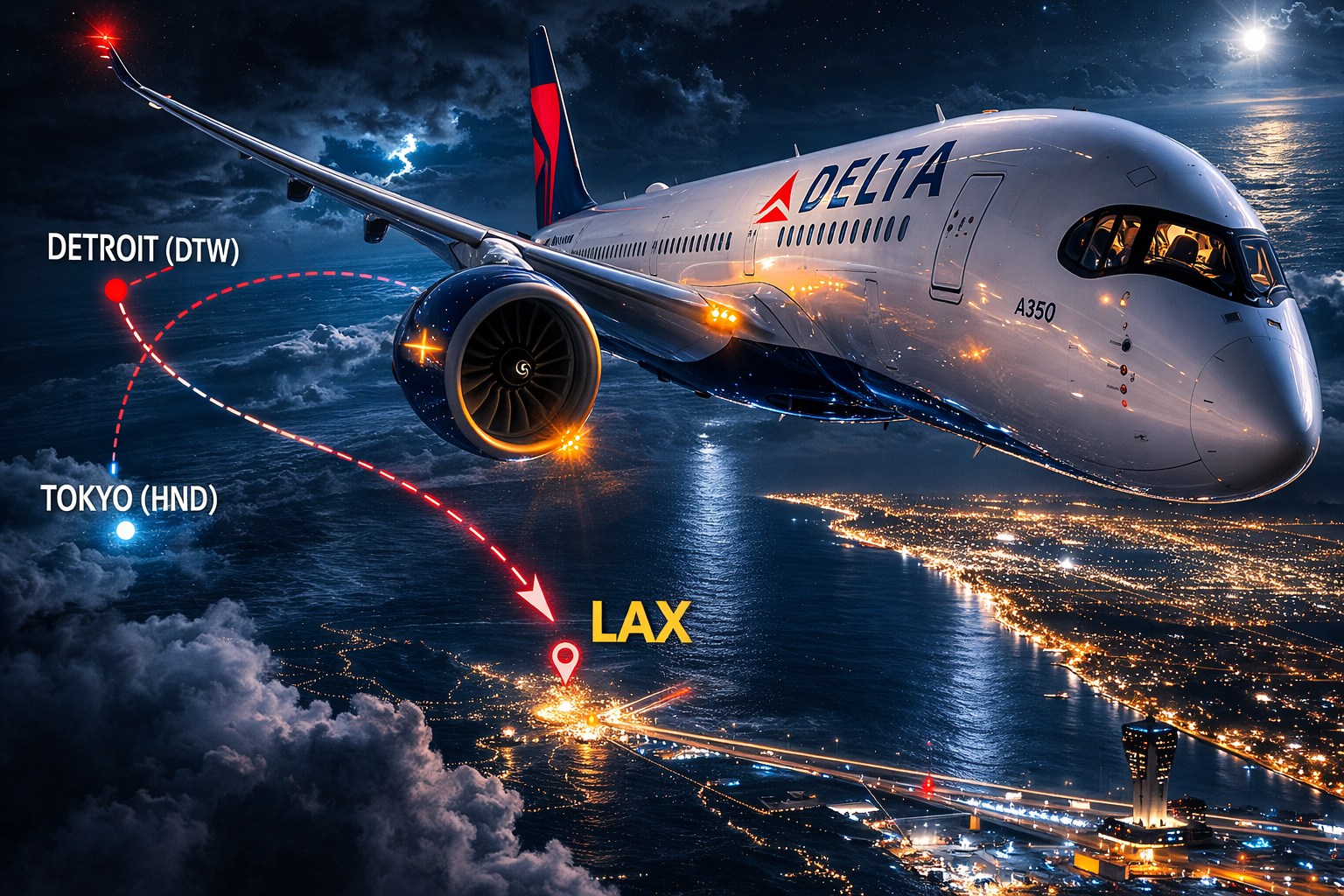
When you’re buckled in for a long-haul flight across the Pacific, the last thing you expect is an unplanned stop in Los Angeles. That’s exactly what happened to passengers on Delta Flight DL275 on May 27, 2025. This flight, bound for Tokyo from Detroit, made headlines when it was diverted to Los Angeles International Airport (LAX) due to a mid-air technical issue. Events like this remind us how seriously airlines take safety, even if it means major disruptions. In this article, we’ll break down what occurred, why it matters, and what travelers can learn from it. Understanding these incidents helps ease worries about flying and shows how the aviation industry prioritizes passenger well-being over schedules.
What Led to the Diversion of Delta Flight DL275?
Delta Flight DL275 was a routine international service operated by Delta Air Lines on an Airbus A350 aircraft. It took off from Detroit Metropolitan Wayne County Airport (DTW) heading to Tokyo’s Haneda Airport (HND), a journey that typically lasts around 13 hours. About five hours into the flight, the pilots encountered a problem that prompted a quick decision to change course.
The core issue was a warning related to the aircraft’s engine anti-ice system. This system is crucial for preventing ice buildup on the engines during flight, especially at high altitudes where temperatures can drop dramatically. Ice formation can disrupt airflow and potentially lead to engine performance issues, so any glitch here is treated with utmost caution. Rather than risk continuing over the vast Pacific Ocean, the crew opted to turn back and head to LAX, which has the facilities and Delta maintenance teams equipped to handle such inspections.
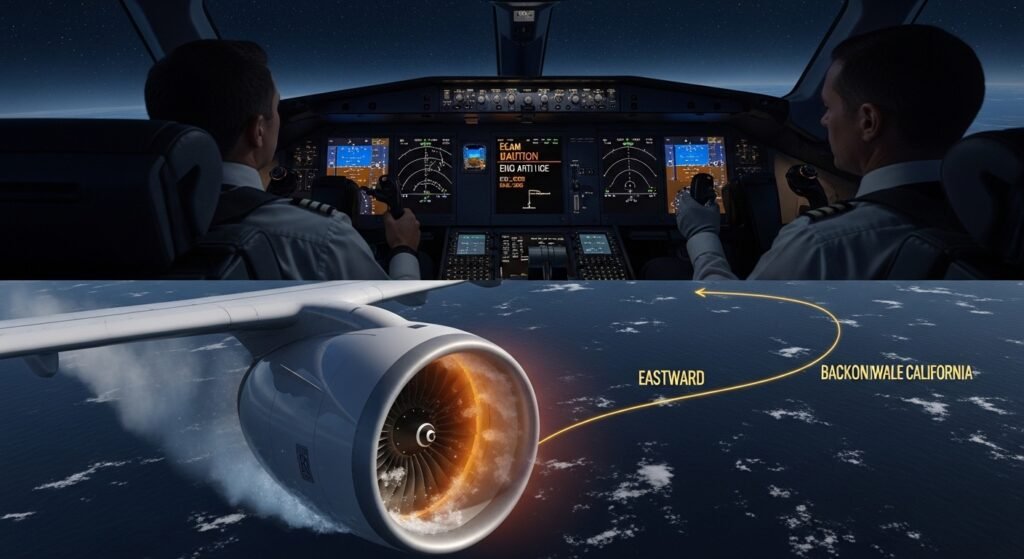
Diversions aren’t uncommon in aviation, but this one stood out because the plane had already flown several hours westward before reversing direction. Flight tracking data showed the aircraft altering its path significantly, leading to a safe landing at LAX around local time in the early morning. No injuries were reported, and the move was purely precautionary to allow for thorough checks on the ground.
Common Reasons for Flight Diversions
While this specific case involved a technical alert, flight diversions can happen for various reasons. Here’s a quick overview to put things in context:
- Mechanical Problems: Like the anti-ice system warning here, these are the most frequent causes. Airlines err on the side of safety to avoid any escalation.
- Weather Issues: Storms or turbulence might force a reroute, though that wasn’t a factor in DL275.
- Medical Emergencies: If a passenger needs urgent care, the plane might divert to the nearest suitable airport.
- Security Concerns: Rare, but things like unruly behavior or threats can lead to unscheduled landings.
In the case of DL275, the choice of LAX made sense—it’s a major hub with advanced repair capabilities, ensuring the plane could be serviced quickly without stranding passengers too far from alternative flights.
Latest Updates and Reports on the Incident
Since the diversion occurred in May 2025, aviation enthusiasts and media outlets quickly shared details through flight tracking apps and social media. Reddit users on forums like r/flightradar24 speculated about the long diversion route, wondering why LAX was chosen over closer options like Seattle or Anchorage. One user noted how frustrating it would be for passengers expecting to arrive in Tokyo, only to end up back on the U.S. West Coast.
On X (formerly Twitter), posts highlighted the crew’s swift action. For instance, one account praised the pilots for their “quick, smart” response to the engine anti-ice warning, emphasizing that everyone landed safely. Blogs and news sites reported that Delta rebooked affected passengers on subsequent flights, minimizing long-term delays. Official statements from Delta confirmed the precautionary nature of the diversion, aligning with their safety-first policy.
As of early 2026, no further incidents involving similar issues on this route have been widely reported, suggesting the problem was isolated. Aviation safety experts have used this event to discuss how modern aircraft systems, like those on the A350, include redundant safeguards to detect issues early. While I searched for recent YouTube discussions, no major videos provided new insights beyond initial news coverage, but general aviation channels often stress that such diversions prevent worse outcomes.
How to Handle a Flight Diversion: Tips and Solutions for Passengers
If you’re ever on a diverted flight like DL275, staying prepared can make the experience less stressful. Here’s some practical advice based on common practices in the industry:
Immediate Steps During the Diversion
- Stay Calm and Listen: Crew members are trained for these scenarios. Follow their instructions—they’ll keep you updated on what’s happening.
- Use Airline Apps: Download your airline’s app before flying. It often provides real-time updates on rebookings or gate changes.
- Contact Support: If possible, reach out to the airline’s customer service via phone or chat while still in the air or upon landing.
Passenger Rights and Compensation
Under U.S. Department of Transportation rules, if a diversion causes significant delays, you may be entitled to:
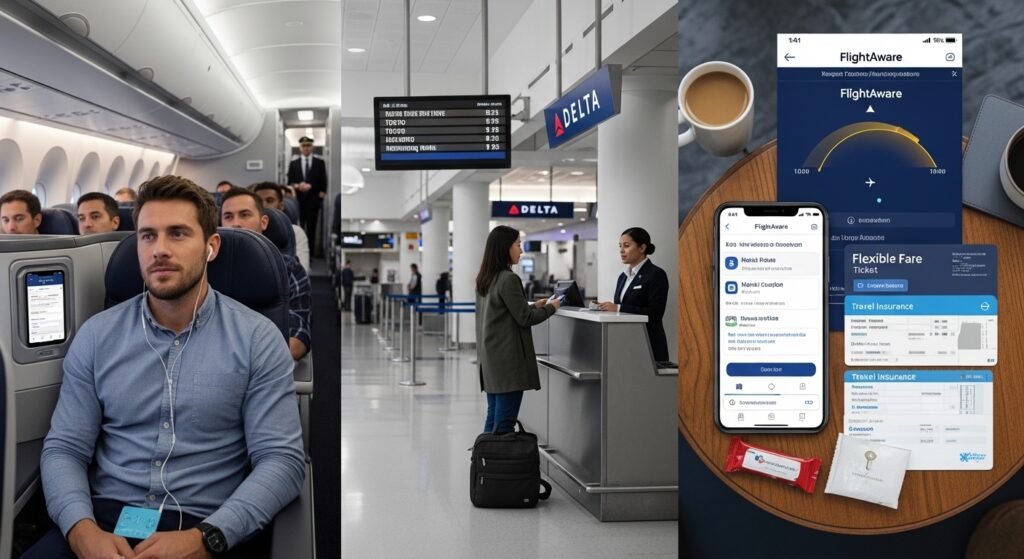
- Rebooking: Airlines like Delta typically offer free rebooking on the next available flight.
- Meals and Accommodations: For overnight delays, expect vouchers for food and hotels.
- Refunds: If the delay is airline-controllable (like a mechanical issue), you could get a partial or full refund, depending on the circumstances.
In the DL275 case, passengers were reportedly accommodated promptly, with many continuing to Tokyo the next day. Always document your experience—keep receipts and note timelines—to strengthen any claims.
Preventive Tips for Future Travel
To reduce the impact of potential diversions:
- Book Flexible Tickets: Opt for fares that allow changes without hefty fees.
- Pack Essentials: Carry medications, chargers, and snacks in your carry-on, as diversions can lead to unexpected waits.
- Travel Insurance: Consider policies that cover delays, which can reimburse extra costs.
- Monitor Flights: Use tools like FlightAware to track your plane’s status before boarding.
These steps turn a potential hassle into a manageable detour.
Wrapping Up: Lessons from Delta Flight DL275’s Diversion
The diversion of Delta Flight DL275 to LAX on May 27, 2025, underscores the aviation industry’s commitment to safety. A simple warning about the engine anti-ice system led to a cautious reroute, ensuring everyone arrived unharmed despite the inconvenience. From passenger reactions on social media to expert analyses, the incident highlights how quick decisions and advanced technology keep flying one of the safest ways to travel.
If you’re planning a trip, remember: diversions are rare, but preparation goes a long way. Choose reputable airlines, stay informed, and trust the professionals onboard. Safe travels—may your journeys be smooth and on schedule!
FAQs
The flight was diverted due to a warning in the aircraft’s engine anti-ice system, ensuring passenger safety over the Pacific.
No injuries were reported; the diversion was purely precautionary.
Diversions due to mechanical or technical alerts are rare but standard safety practice in aviation.
Yes, no similar incidents on this route have been widely reported since May 2025.