
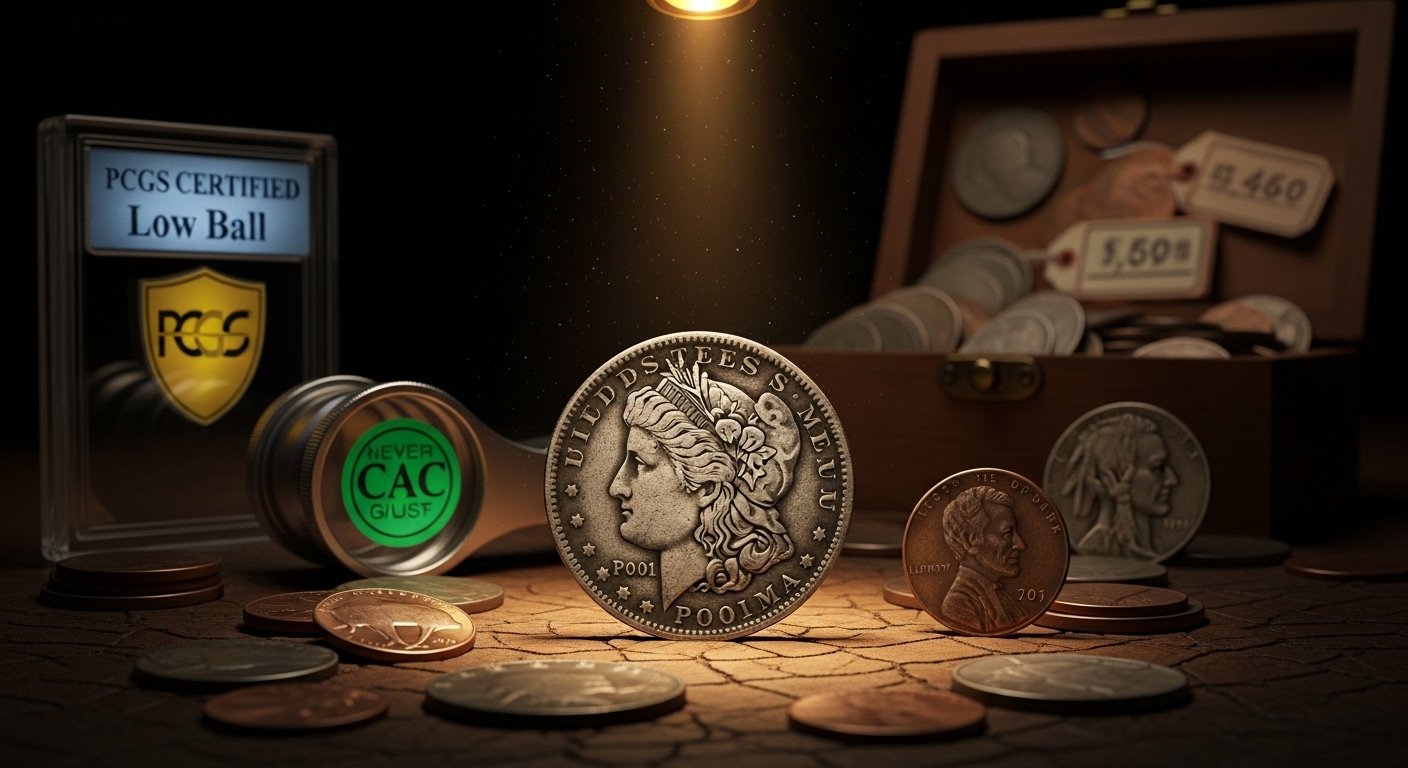
If you’ve ever flipped through a junk box at a coin show and spotted a nearly flat, heavily worn silver dollar with a barely readable date, you might have just encountered a low ball coin. Far from the shiny, perfect specimens that dominate most collectors’ dreams, low ball coins represent the opposite end of the spectrum: coins graded at the lowest possible levels by services like PCGS or NGC, typically Poor-1 (PO01) or occasionally Fair-2 (FR02). These are pieces that have survived decades—or even centuries—of real-world circulation, worn smooth by countless hands, pockets, and transactions.
Collectors who chase them call it “low ball collecting” or building “Low Ball Registry Sets.” It’s a growing niche that flips traditional numismatics on its head. Instead of competing for the highest grades and sky-high prices, enthusiasts race to assemble sets of the lowest-grade but still identifiable examples. Why do people care? For starters, it’s an affordable entry point into serious collecting. A PO01 Morgan dollar might cost far less than its Mint State counterpart, yet it carries just as much history—and sometimes even commands surprising premiums when certified and problem-free. Plus, with over 3,691 registered Low Ball Sets on the PCGS Set Registry, it’s become a competitive, community-driven hobby that rewards patience, sharp eyes, and a love for stories etched into metal.
What Makes a Coin a “Low Ball”?
Low ball coins sit at the bottom of the Sheldon grading scale. A PO01 coin shows maximum wear: designs are nearly obliterated, but the date, mint mark, and enough details remain to confirm the type and variety. Anything worse—unreadable dates, heavy damage, corrosion, or cleaning—usually won’t qualify for a numeric grade or registry inclusion.
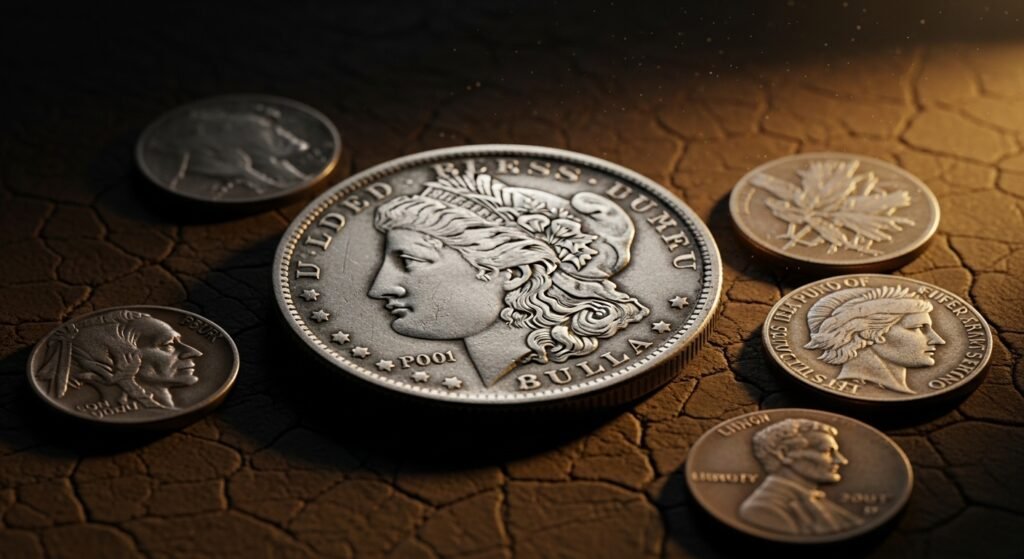
These coins earned their nickname because they represent the “best of the worst.” They aren’t junk; they’re honest survivors. As one collector explained in a popular YouTube discussion, the goal is finding “the absolute most honest worn coin with readable dates that have no problems whatsoever.” Extreme circulation naturally creates them—think coins passed around during the Great Depression, carried as lucky pocket pieces, or simply used until they were almost flat.
The challenge? Not every heavily worn coin makes the cut. Many develop scratches, rim dings, or artificial wear that grading services reject. True low ball examples are scarcer than most people assume, even for high-mintage dates like common Morgan or Peace dollars.
Why Low Ball Coins Are Gaining Popularity
In a hobby obsessed with perfection, low ball collecting offers refreshing contrast. It celebrates history through visible wear: every scratch or smoothed edge tells a tale of commerce and everyday life. Beginners love the low barrier to entry—no need for thousands of dollars to start a set. Experienced collectors appreciate the hunt and the rarity twist: a certified PO01 key-date coin can sometimes sell for more than a mid-grade example because true low-grade survivors are hard to find.
Recent reports highlight this boom. As of early 2026, PCGS lists thousands of active Low Ball Sets across categories like Morgan Dollar year sets, Buffalo Nickel date sets, and even short runs such as Peace Dollars (1921–1935). A December 2025 CoinWeek feature noted that “accurately certified low-grade coins are significantly scarcer than many assume,” even for popular series. Auction houses like GreatCollections regularly feature standout low balls, such as an 1882-O/S Morgan variety in PO01.
YouTube creators have helped spread the word with fresh perspectives. In a detailed podcast interview, specialist Tony Keating shared his journey starting at age 11 and diving deep into low balls after hunting a 1916-D Mercury Dime in PO01. He described building relationships with dealers via Instagram and shows, scoring rarities like a 1793 Chain Cent or 1907 $10 Indian Gold with CAC stickers—premium validations that add significant value. Another popular video by BlueRidgeSilverhound demonstrated the fun by carrying a Peace dollar in his pocket for months, naturally wearing it from XF down to AG3, proving how everyday use creates authentic low balls.
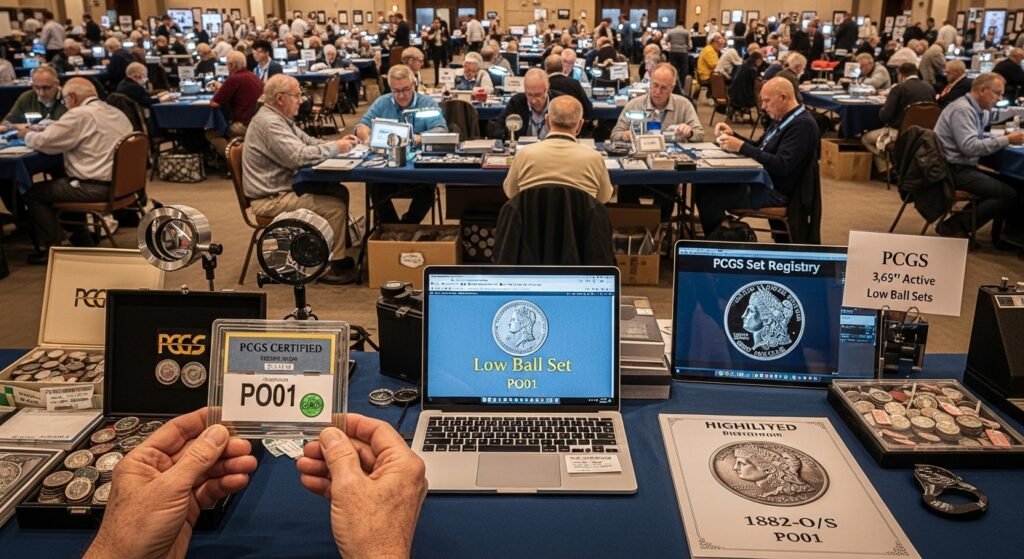
These discussions reveal that low ball coins aren’t just cheap fillers; some graded examples rival higher-grade prices when they’re clean and registry-eligible.
Common Challenges and Issues
Finding genuine low balls isn’t easy. Most heavily circulated coins suffer from problems that disqualify them: cleaning, scratches, or dates worn beyond recognition. Fakes exist too—some sellers artificially age coins to mimic PO01 wear, only for PCGS to return them as “damaged” or “details.”
Scarcity creates another hurdle. Even common dates in Morgan dollars can be tough in true PO01 because most were pulled from circulation before reaching maximum wear. Key dates like 1916 Mercury Dimes or early Bust halves are even rarer in low ball form. New collectors often struggle with identification, relying on subtle diagnostics (like die markers on a worn Buffalo Nickel) instead of obvious details.
Practical Tips to Start Collecting Low Ball Coins
Getting into low ball collecting is straightforward and budget-friendly. Here’s a step-by-step guide based on insights from experienced collectors:
- Start small and local: Visit coin shops, shows, or online junk boxes. Look for raw, worn coins with readable dates. Dealers often have bulk lots from estate sales—perfect hunting grounds.
- Submit for professional grading: Send promising pieces to PCGS or NGC. Economy submissions are affordable, and a PO01 holder unlocks registry eligibility. Aim for problem-free examples; scratches or cleaning will hurt value.
- Target popular sets: Begin with accessible series like Peace Dollars, Lincoln Cents (1934–1958), or Morgan Dollar date sets. These have active registries and growing demand.
- Network and hunt smart: Follow dealers on Instagram for quick alerts. Build relationships—mention specific wants like a 1916-D PO01 and offers may come your way. Attend events like the ANA Money Show or Whitman Expo.
- Seek CAC stickers for premiums: Coins with green CAC stickers (Certified Acceptance Corporation) often fetch 50–100% more because they confirm top quality within the low grade. Tony Keating noted only a handful exist for certain key dates.
- Verify authenticity: Use a loupe or microscope to check for artificial wear. Stick to trusted sellers and cross-reference population reports on PCGS or NGC sites.
- Budget wisely: Raw low balls start around $100–200; graded CAC examples can reach $400–700+ for rarities. Focus on quality over quantity—passion drives the best sets.
If a coin arrives damaged after submission or fails to grade, don’t worry: many collectors start with a few “practice” pieces. Patience is key; the thrill comes from the search.
Are Low Ball Coins a Good Investment?
They can be—especially certified examples in popular series. While not as flashy as MS70 modern coins, low balls gain value from scarcity and registry competition. Some PO01 specimens with CAC approval have sold for sums that surprise newcomers. They also hold historical appeal, making them conversation starters and long-term holds for families.
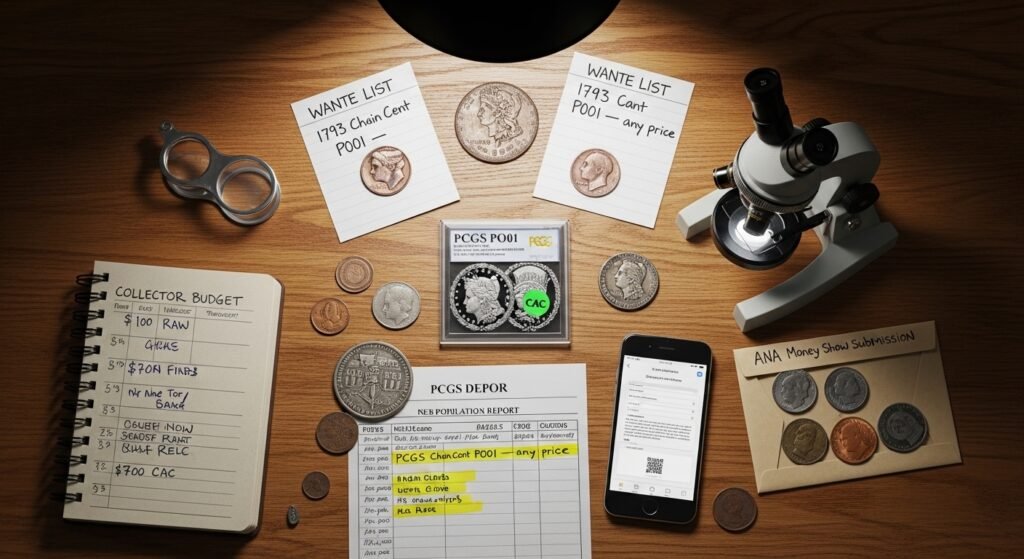
That said, they’re primarily for enjoyment. Treat them gently despite their worn appearance; even low balls deserve protective holders.
Wrapping It Up: Why Low Ball Collecting Deserves Your Attention
Low ball coins prove that beauty—and value—exists at every grade level. They democratize numismatics, offering history, challenge, and community without breaking the bank. Whether you’re a beginner seeking an easy start or a veteran tired of chasing perfection, this niche delivers real satisfaction.
If the idea intrigues you, grab a few worn coins from your next show, get them graded, and register your first set on PCGS. As collectors like Tony Keating and BlueRidgeSilverhound remind us, the hunt is half the fun—and the stories these “best of the worst” coins tell are priceless. Start today, and you might just discover why thousands of enthusiasts are proudly building their own Low Ball Registry Sets right now.
FAQs
Low ball coins are coins graded at the lowest levels of the Sheldon scale, usually Poor-1 (PO01) or Fair-2 (FR02). These coins are extremely worn from circulation but still identifiable and certified by grading services.
Collectors enjoy low ball coins because they represent real circulation history and offer a unique challenge. They also provide a more affordable way to build competitive registry sets in numismatics.
Some low ball coins can be surprisingly valuable, especially key-date examples or certified pieces with CAC approval. Scarcity and registry competition can push prices higher than expected.
A low ball coin becomes rare when it is heavily worn yet still problem-free and identifiable. Many coins with extreme wear are damaged or cleaned, which disqualifies them from official grading.