
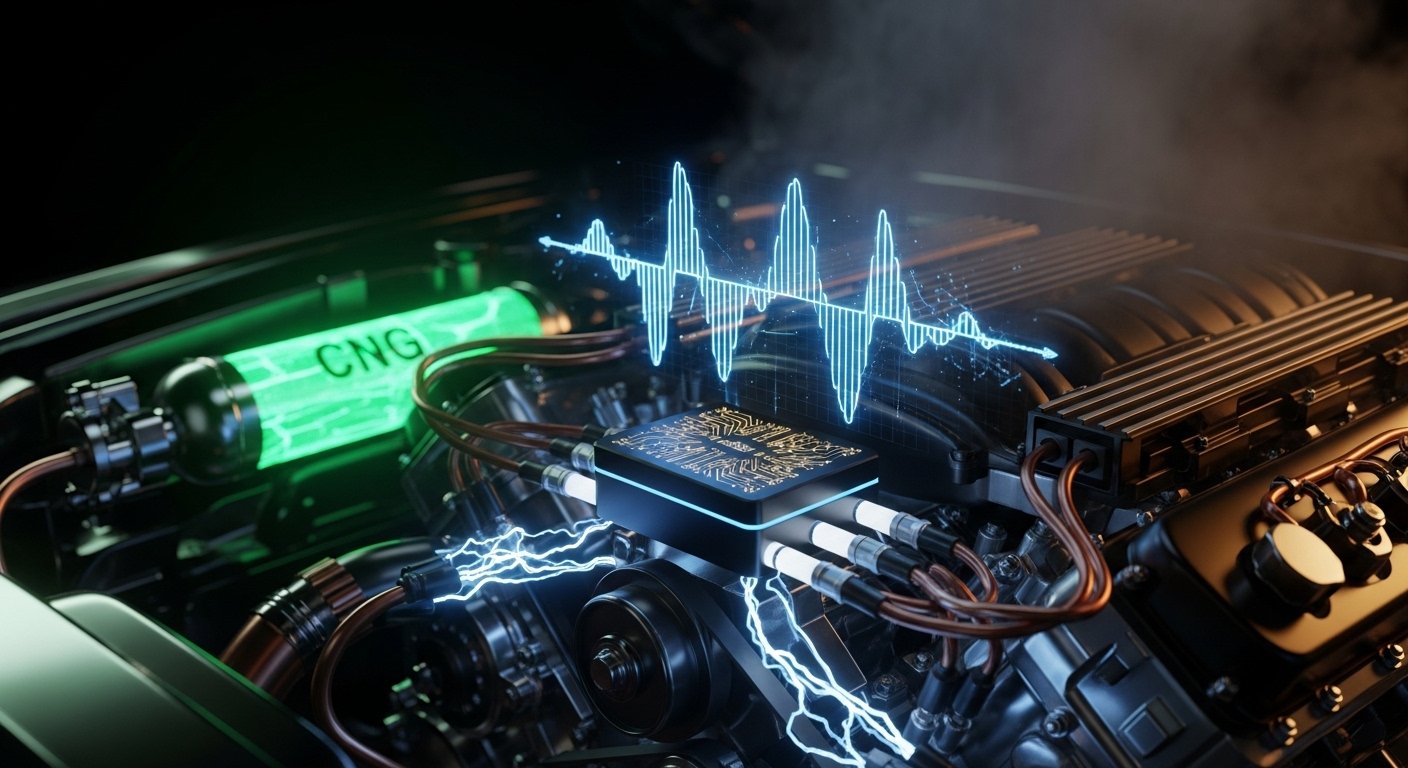
If you have converted your petrol car to run on CNG or LPG to cut fuel costs, you have probably noticed a drop in power and pickup. The engine feels sluggish, mileage might not match expectations, and there could be a slight knocking sound under load. This common issue happens because these cleaner gases burn differently from petrol. A timing advance processor (TAP) fixes exactly that. It is a small electronic device that adjusts the engine’s spark timing to match the needs of CNG or LPG, restoring power, improving efficiency, and making the car feel smoother. Many drivers in countries with widespread CNG use swear by it for daily commuting and long highway runs.
Why Engines Need a Timing Advance Processor
CNG and LPG have a higher octane rating than regular petrol, which is great for avoiding knock. But they also have a slower flame speed. In a standard petrol engine, the spark fires at a certain moment before the piston reaches the top of its stroke. With gas fuel, the mixture needs more time to burn completely, so the spark must start earlier — that is called advancing the ignition timing.

Without a TAP, the original engine control unit (ECU) sticks to petrol settings. This leads to incomplete combustion, lost power (often 10-15%), poorer throttle response, higher gas consumption, and sometimes rough idling or check-engine lights. Over time, it can increase wear on engine parts because of uneven burning. A TAP steps in as a smart intermediary, giving the engine the exact advance it needs only when running on gas and switching back to normal timing on petrol.
Common Issues Without Proper Timing Adjustment
Drivers often report these problems after a basic CNG conversion:
- Weak low-RPM pickup and sluggish acceleration
- 10-20% drop in mileage compared to claimed figures
- Engine pinging or knocking during uphill drives
- Higher exhaust temperatures that can shorten engine life
- Rough idle or stalling in traffic
These issues appear because the stock ignition curve is not designed for the slower-burning properties of CNG or LPG. Older cars with distributor systems and newer ones with crankshaft position sensors both suffer unless the timing is corrected.
Latest Developments and Real-World Insights
Recent guides from 2025 and 2026 highlight how important matching the TAP to your vehicle’s ignition type has become. Modern cars use crankshaft position (CKP) sensors — either inductive or Hall-effect — and simple fixed devices no longer work well. Programmable and dynamic processors now dominate because they adjust timing based on engine load and RPM, not just a fixed number.
YouTube mechanics and CNG kit installers have shared hands-on tests in the last couple of years. One popular comparison video explains the big difference between static (fixed) and dynamic TAPs. Static models like the common “Cobra” or “Spider” 510N/511N types give a basic fixed advance (usually 10-20 degrees) and work okay on older cars, but they can trigger sensor errors or check-engine lights on newer vehicles. Dynamic models (such as STAG or Europegas types) connect to both crank and cam sensors, read real-time load, and adjust automatically. Reviewers report up to 20% better mileage, noticeably sharper pickup, cooler running, and zero warning lights. Installations on cars like the Tata Nexon CNG show dynamic processors turning “acceptable” gas performance into something that feels close to petrol power while protecting the engine from long-term stress.
Brands like AEB (Italy) remain popular worldwide because their units offer selectable advance up to 30 degrees, idle cut-off (no advance at standstill), and an emergency bypass plug. If anything goes wrong, you simply plug the bypass and drive normally until fixed.
Choosing the Right Timing Advance Processor
Not every TAP suits every car. Here is a simple guide:
- Static/Fixed types (Cobra, Spider, 510N series): Cheaper, easy for older distributor cars, good for basic conversions.
- Dynamic/Variable types (STAG, Europegas, programmable AEB models): Best for modern fuel-injected cars with CKP sensors; adjust on the fly for highway and city driving.
- Check your ignition system first: mechanical breaker points, electronic distributor, or crankshaft sensor (inductive or Hall-effect).
Always buy from reputed makers and get professional installation. A mismatched unit can cause more harm than good.
Installation, Tips, and Troubleshooting
Professional fitting is strongly recommended because wiring must stay clean and shielded. The process usually takes 30-60 minutes:
- Disconnect the battery.
- Locate the ignition signal wires (distributor, coil, or CKP sensor).
- Install the TAP inline following the supplied diagram.
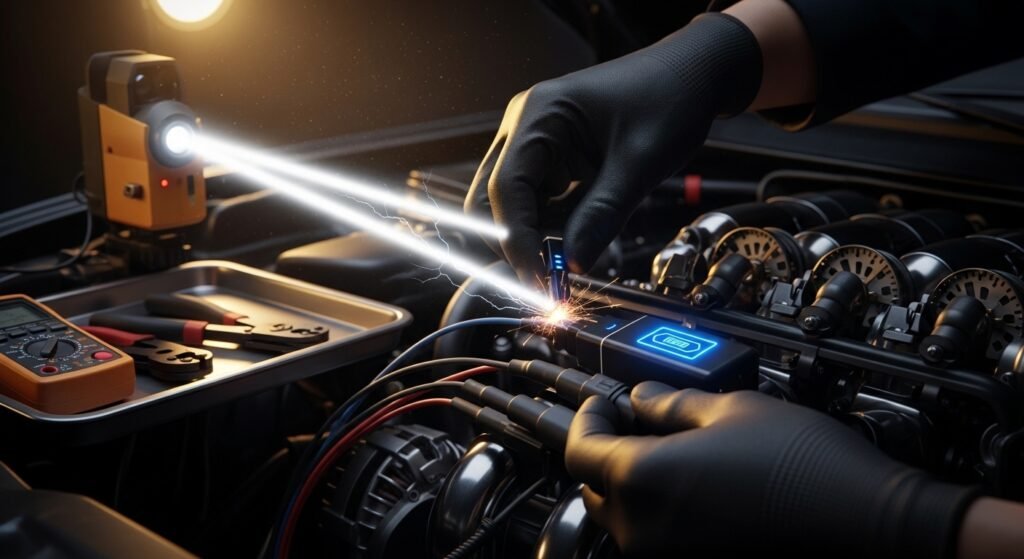
- Set initial advance (start with 10-15 degrees) using a timing light.
- Test drive and fine-tune for best response without knocking.
Helpful tips for best results:
- Disable advance at idle to avoid rough running.
- Use a timing light or diagnostic tool to verify settings.
- Keep the unit away from heat and moisture.
- Re-check every 10,000-15,000 km as engines wear.
- Combine with a good lambda sensor and sequential injection kit for maximum gains.
Common troubleshooting steps:
- Knocking or pinging: Reduce the advance setting by 2-3 degrees.
- Weak acceleration: Increase advance slightly and test.
- Rough idle or no-start: Double-check wiring polarity and grounding.
- Check-engine light: Switch to a dynamic model or verify sensor sync.
- Sudden loss of power: Use the emergency bypass connector to confirm the TAP is the issue.
Most quality units last 5-7 years with proper care and cost far less than the fuel savings they deliver.
Final Thoughts
A timing advance processor is a simple but powerful upgrade for any CNG or LPG vehicle. It corrects the fundamental mismatch between petrol-designed engines and slower-burning gases, giving back lost power, better mileage, smoother driving, and longer engine life. With today’s dynamic models and easy professional installation, even owners of new-generation cars can enjoy clean, affordable fuel without compromise. If you run on CNG or LPG, investing in the right TAP is one of the smartest moves you can make. Get it fitted by an experienced technician, drive gently for the first few hundred kilometres while fine-tuning, and you will quickly feel the difference on every trip.
FAQs
A Timing Advance Processor is an electronic device that adjusts ignition timing in engines running on CNG or LPG. It advances the spark so the gas-air mixture burns efficiently and improves engine performance.
Yes, a properly tuned timing advance processor can improve fuel efficiency by up to 10–20%. It allows the engine to burn gas more completely and reduce wasted fuel.
Static TAPs provide a fixed ignition advance and work best in older vehicles. Dynamic processors adjust timing automatically based on RPM and load, making them better for modern fuel-injected cars.
Most high-quality TAP units last around 5–7 years with proper installation and maintenance. Regular checks during vehicle servicing help ensure optimal performance.