
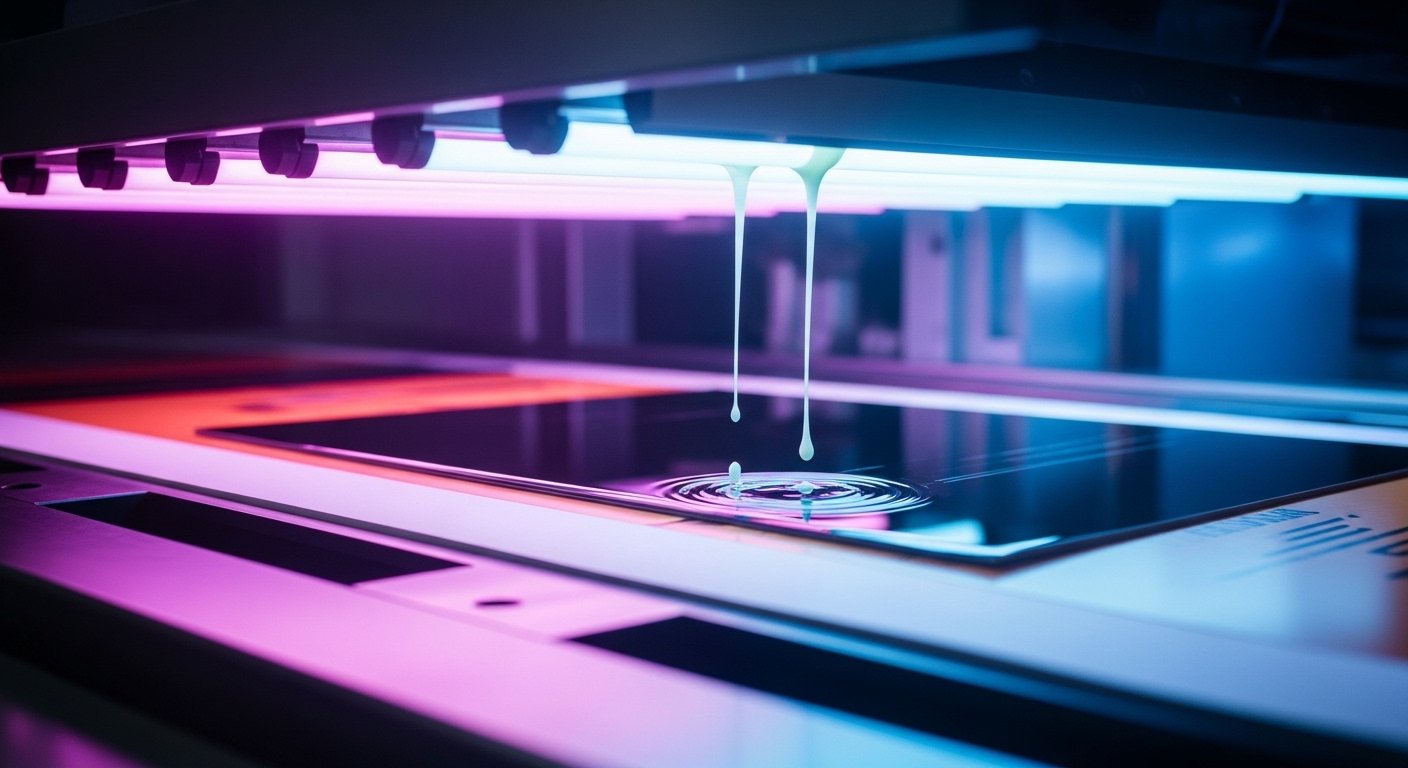
UVlack, also known as UV varnish or UV coating, is a special liquid finish that hardens almost instantly when exposed to ultraviolet (UV) light. It creates a tough, protective layer on paper, cardboard, wood, plastic, and other materials. Printers, packagers, and manufacturers love it because it boosts both looks and durability in seconds instead of hours.
In today’s fast-paced world, people expect printed materials—like product boxes, brochures, business cards, and labels—to look premium and last longer. UVlack delivers exactly that: a glossy or matte surface that resists scratches, fingerprints, chemicals, and fading. It has become a go-to solution for anyone who wants high-quality results without slowing down production or harming the environment.
Why Traditional Coatings Fall Short – And Why UVlack Solves the Problem
Older varnishes and coatings rely on solvents or heat to dry. This creates several headaches:
- Slow drying times: Materials often need hours or even days to fully cure, tying up production lines and storage space.
- High VOC emissions: Volatile organic compounds pollute the air and require extra ventilation or disposal costs.
- Weaker protection: Traditional finishes can yellow over time, scratch easily, or fail under moisture and chemicals.
- Inconsistent results: Humidity, temperature changes, or long waits can cause uneven gloss, bubbling, or poor adhesion.
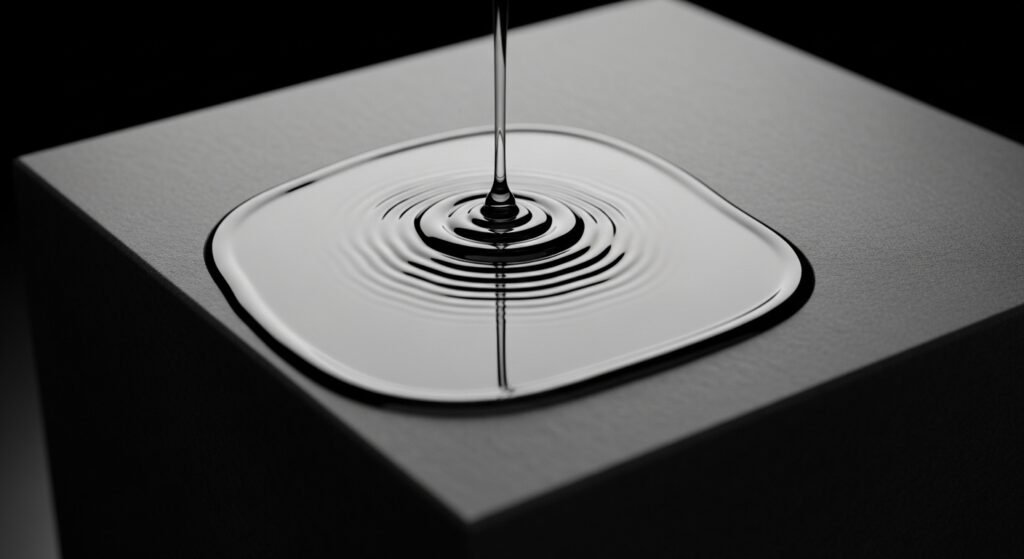
UVlack fixes these issues by using a chemical reaction triggered by UV light. The coating contains special resins and photoinitiators that polymerize (harden) in just 0.5 to 5 seconds. No solvents are needed in many formulas, so VOC levels drop dramatically. The result is a harder, clearer, and more consistent finish every single time.
Latest Trends and Market Insights (2025–2026)
The UV coatings industry is growing quickly because businesses want faster, greener, and tougher finishes. Global market reports project strong expansion, with some forecasts showing the sector reaching $28.5 billion by 2034 at a compound annual growth rate (CAGR) of around 12%. In North America alone, analysts expect steady 5–7% annual growth through 2033, driven by packaging, automotive parts, electronics, and furniture.
Key innovations making waves right now include:
- LED-UV systems: These lamps turn on and off instantly, use far less energy than old mercury lamps, produce less heat, and last longer.
- Excimer technology: Creates super-matte “soft-touch” surfaces that feel like velvet yet stay scratch-resistant—perfect for luxury packaging and kitchen cabinets.
- Bio-based and low-VOC formulas: More resins now come from renewable sources, helping companies meet strict environmental rules in Europe and North America.
- Smart additives: New coatings fight bacteria, reduce fogging, or make surfaces easier to clean—great for medical packaging and public spaces.
YouTube creators who specialize in printing and finishing frequently highlight these advances. In recent tutorials on spot UV varnishing and digital printing workflows, experts demonstrate how LED-UV setups cut energy bills by up to 50% while delivering sharper gloss contrast on business cards and brochures. Viewers also share real-world tests showing UVlack surviving coffee spills, abrasion tests, and months of handling without losing shine—something older varnishes simply can’t match.
How UVlack Works: Simple Step-by-Step Process
- Surface preparation: Clean the material and check surface energy (a quick dyne-pen test helps). For tricky plastics or metals, a quick corona, flame, or plasma treatment improves sticking.
- Application: Use rollers, sprays, or screen printing to lay down a thin, even layer (usually 5–25 microns for paper and packaging).
- Leveling: Give the coating a short flash-off time so it flows smoothly and removes air bubbles.
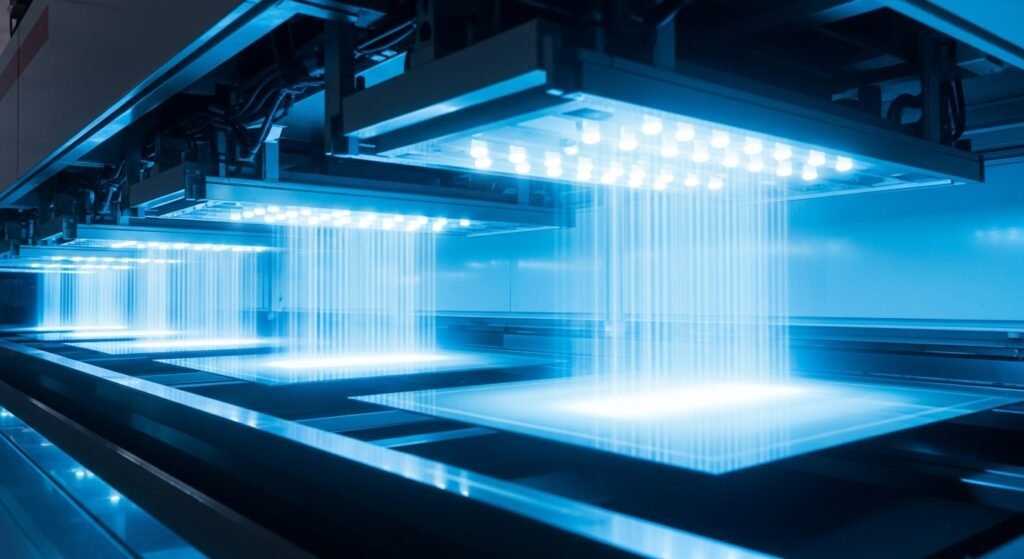
- Curing: Pass the piece under UV lamps (mercury, LED, or excimer). The photoinitiators react instantly, turning the liquid into a solid shield.
- Quality check: Test for adhesion (cross-hatch tape test), hardness (MEK rub test), and gloss consistency.
The entire process fits neatly into high-speed production lines, which is why UVlack is popular for everything from food packaging to premium cosmetics boxes.
Practical Tips, Best Practices, and Troubleshooting
Getting great results with UVlack is straightforward when you follow a few proven tips:
- Match the formula to the job: Choose 100% solids UVlack for zero VOCs on paper, or water-based versions for porous substrates.
- Control your environment: Keep the workspace at stable temperature and humidity to avoid orange-peel texture or poor leveling.
- Maintain your lamps: Log lamp hours and clean reflectors regularly—weak lamps cause sticky or under-cured coatings.
- Test small first: Always run a pilot batch on your exact substrate and inks to check compatibility.
Common problems and easy fixes:
- Poor adhesion → Pretreat the surface or add a primer.
- Sticky or smelly finish → Slow the line speed or replace aging lamps.
- Uneven gloss or orange peel → Lower viscosity with a flow additive or warm the material slightly before coating.
- Yellowing on white areas → Switch to non-yellowing LED-UV formulas.
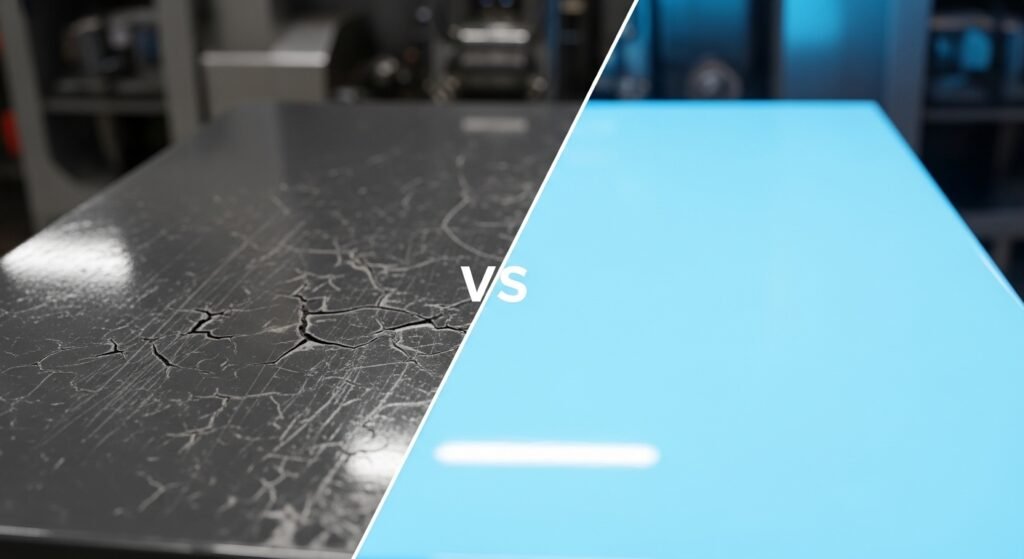
Printers on YouTube often film side-by-side comparisons: one card with traditional varnish versus one with UVlack. The UV version consistently wins for scratch resistance and visual pop.
Final Thoughts and Advice
UVlack has quietly revolutionized how we protect and beautify printed and manufactured goods. It delivers stunning gloss or elegant matte finishes, slashes production time, cuts environmental impact, and stands up to daily wear far better than older options. Whether you run a small print shop, manage packaging for a big brand, or simply want your marketing materials to impress, UVlack offers a smart, modern solution.
Start small: talk to your coating supplier about a trial with LED-UV equipment and a low-VOC formula. Focus on proper surface prep and lamp maintenance, and you’ll see immediate improvements in speed, quality, and customer satisfaction. As the industry keeps innovating with greener resins and smarter surfaces, UVlack is only going to become more powerful and accessible.
FAQs
UVlack is a UV-curable coating that hardens instantly under ultraviolet light, creating a strong, protective, and glossy or matte finish on various materials.
UVlack is widely used in printing, packaging, furniture, automotive parts, electronics, and product labeling for enhanced protection and appearance.
UVlack typically cures within 0.5 to 5 seconds when exposed to UV light, significantly reducing production time.
Unlike traditional varnish, UVlack cures instantly, provides stronger protection, and produces more consistent and long-lasting results.