

The Tesla Cybertrucks stands out with its sharp angles and shiny stainless steel body. Launched as a tough electric pickup for everyday drivers, it has caught the eye of an unlikely group: the U.S. military. In 2025, the Air Force announced plans to buy several Cybertrucks—not to drive them, but to use them as targets for missile tests. This move highlights the growing links between innovative companies like Tesla and the Department of Defense, showing how civilian technology is shaping modern defense strategies.

People care about this story because it reveals how Big Tech giants, led by figures like Elon Musk, are becoming key players in national security. Musk’s companies already handle billions in government contracts, and the Cybertruck’s involvement adds an ironic twist to claims of it being nearly indestructible.
Why the Cybertruck Appeals to Military Interests
Tesla designed the Cybertruck with a unique exoskeleton made from ultra-hard 30X cold-rolled stainless steel. Elon Musk has called it “apocalypse-proof” and claimed it can resist bullets from common firearms. These features make it rugged and different from traditional trucks.
Popular YouTube channels have put these claims to the test. Creators fired everything from handguns to rifles at Cybertrucks. The body often held up well against smaller rounds, showing only dents, but higher-powered weapons punched through doors or glass. One widely viewed video from early 2025 showed a truck surviving a barrage of 9mm and .45 caliber bullets with minimal damage, fueling online debates about its real-world toughness. These independent tests highlight the truck’s strengths while showing its limits—perfect for sparking military curiosity.
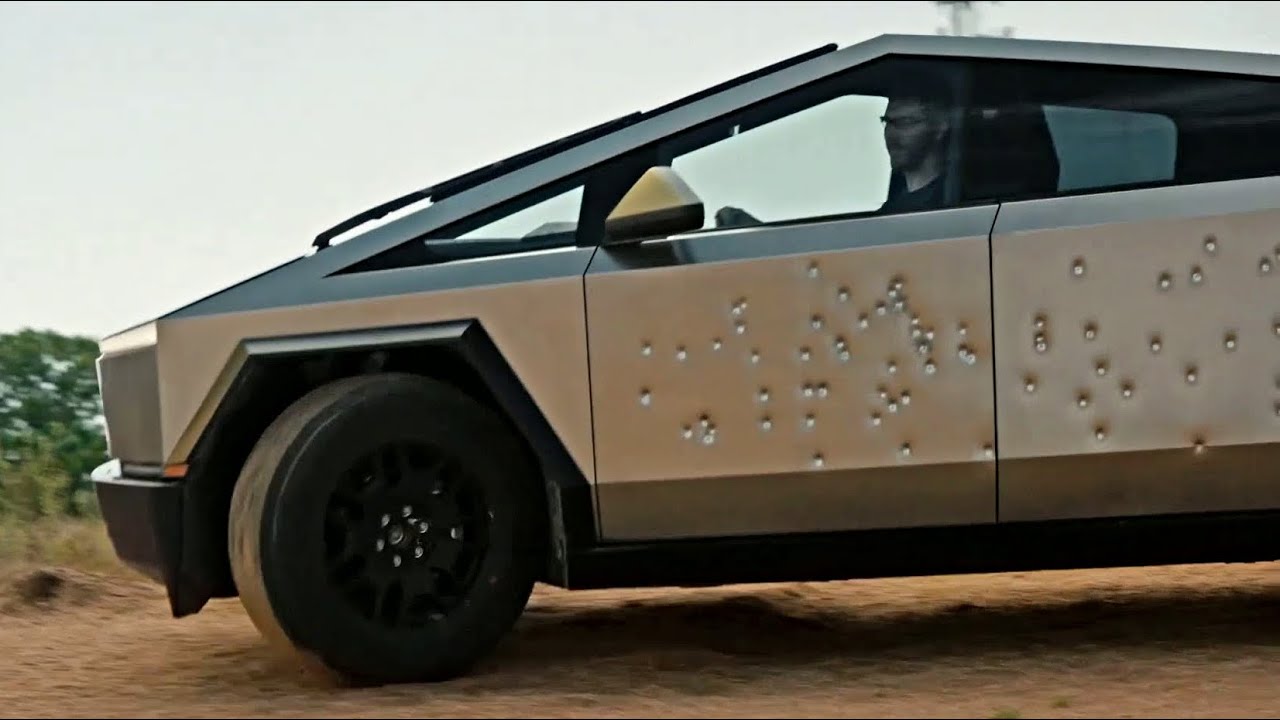
The Air Force’s Surprising Plan: Cybertrucks as Targets
In August 2025, the U.S. Air Force sought to purchase at least two Cybertrucks for its precision-guided munitions program at White Sands Missile Range in New Mexico. The goal? Test weapons like Hellfire missiles and small diameter bombs against the truck’s tough build.
Officials explained that future enemies might use similar electric vehicles with advanced materials that resist damage better than older models. By blowing up Cybertrucks, the military wants to ensure its weapons work effectively in realistic scenarios. This practical approach reflects concerns about evolving battlefield tech, even if it seems ironic given Musk’s durability boasts.
The Experimental Test Site at White Sands Missile Range | MIT Lincoln Laboratory
YouTube reacted quickly, with channels analyzing the news and calling it a humorous setback for Tesla’s tough image. Some videos mixed clips of missile tests with Cybertruck ads, pointing out the contrast between marketing hype and military reality.
Big Tech’s Deepening Role in Defense
The Cybertruck story fits into a larger trend: Big Tech’s growing influence on the Pentagon. Elon Musk’s companies lead this shift. SpaceX has earned billions for satellite launches and Starlink systems used in military communications, including in Ukraine. In 2025, xAI secured up to $200 million for AI tools in defense. As of early 2026, SpaceX and xAI are competing for contracts in autonomous drone technology.
Other tech leaders like Microsoft, Google, and Palantir also hold massive defense deals. Experts see this as a major change in how the military develops technology, blending private innovation with public needs.
Earlier in 2025, the State Department considered spending $400 million on armored Cybertrucks for diplomatic security. The plan drew scrutiny amid Musk’s efforts to cut government spending, highlighting potential conflicts.
Potential Military Uses and Concepts
While the Air Force focuses on destruction, others envision the Cybertruck in active roles. Concept designs show armored versions with mounted weapons or extra protection.
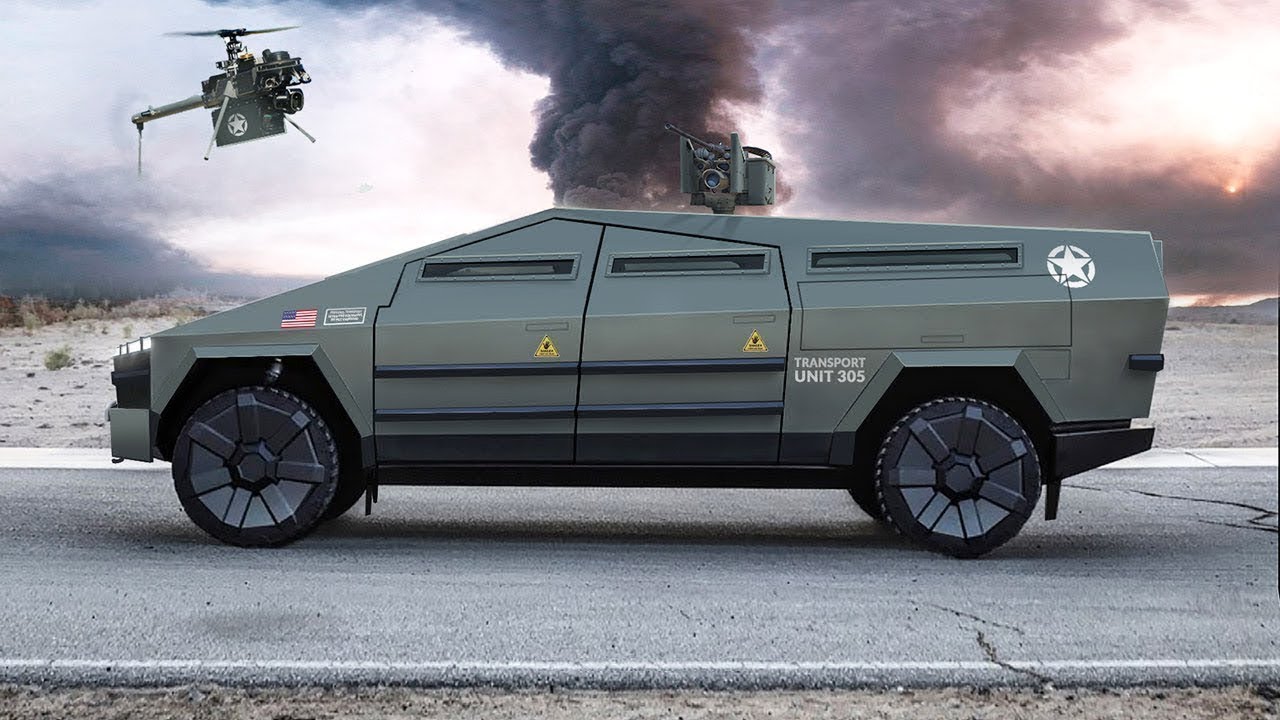
Real-world examples exist too. In 2024, modified Cybertrucks appeared in conflict zones with added machine guns, proving the base design’s adaptability. Electric power offers quiet operation and lower logistics needs, advantages for future tactical vehicles.
Tips for understanding this shift:
- Follow durability tests — YouTube videos provide real insights beyond ads.
- Watch government contracts — They show how tech trends enter defense.
- Consider electric advantages — Silent movement and efficiency could transform military ops.
- Note ethical debates — Deep tech-defense ties raise questions about oversight.
Conclusion: A Complex but Growing Relationship
The Tesla Cybertruck’s path from consumer truck to Pentagon target illustrates the blurring lines between civilian innovation and military needs. The 2025 Air Force tests underscore practical preparations for future threats, while highlighting ironies in the truck’s tough reputation.
As Musk’s companies secure more defense work—from AI to drones—this connection will likely strengthen. It brings cutting-edge tech to national security but sparks discussions on privatization and influence. In the end, the Cybertruck represents how Big Tech is reshaping defense, one angular steel panel at a time.
FAQs
The U.S. Air Force plans to use Cybertrucks as targets in missile testing programs to evaluate how modern precision weapons perform against durable electric vehicles with advanced materials.
The Cybertruck’s ultra-hard stainless steel exoskeleton and durability claims make it a realistic test case for evaluating weapon effectiveness against next-generation civilian vehicles.
Tesla claims strong resistance to common firearm rounds, and independent tests show it withstands smaller calibers. However, higher-powered weapons can penetrate certain areas like doors and glass.
Yes. Elon Musk’s companies, including SpaceX and xAI, have secured billions in contracts related to satellite launches, AI systems, and military communications.