
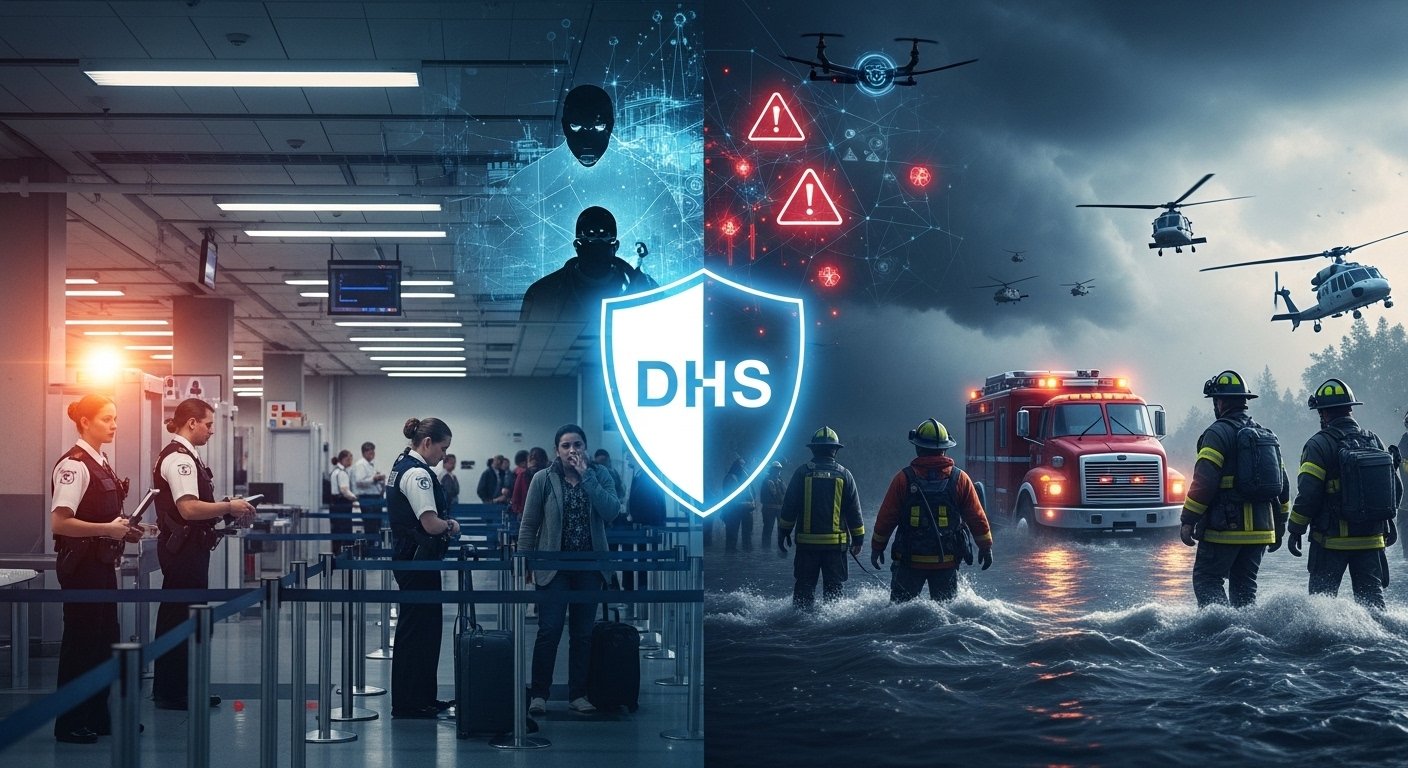
The U.S. Department of Homeland Security, commonly known as DHS, is a major federal agency tasked with protecting the nation from threats both inside and outside its borders. Created in the aftermath of the September 11, 2001 terrorist attacks, DHS brought together 22 different agencies under one roof to create a unified response to emergencies, terrorism, and other risks. Today, it employs more than 260,000 people and handles everything from airport screenings to disaster relief.
Why should the average person care? DHS touches daily life in ways many don’t realize. It keeps air travel safe through the Transportation Security Administration (TSA), manages borders and immigration via Customs and Border Protection (CBP) and Immigration and Customs Enforcement (ICE), responds to hurricanes and wildfires with the Federal Emergency Management Agency (FEMA), and protects against cyberattacks through the Cybersecurity and Infrastructure Security Agency (CISA). Whether you’re a traveler, a business owner, or someone living in a disaster-prone area, DHS’s work affects your safety and security.
Core Missions of DHS
DHS operates under six main mission areas that guide its daily work:
- Counter terrorism and homeland security threats
- Secure U.S. borders and approaches
- Secure cyberspace and critical infrastructure
- Preserve and uphold the nation’s prosperity and economic security
- Strengthen preparedness and resilience
- Champion the DHS workforce and strengthen the department
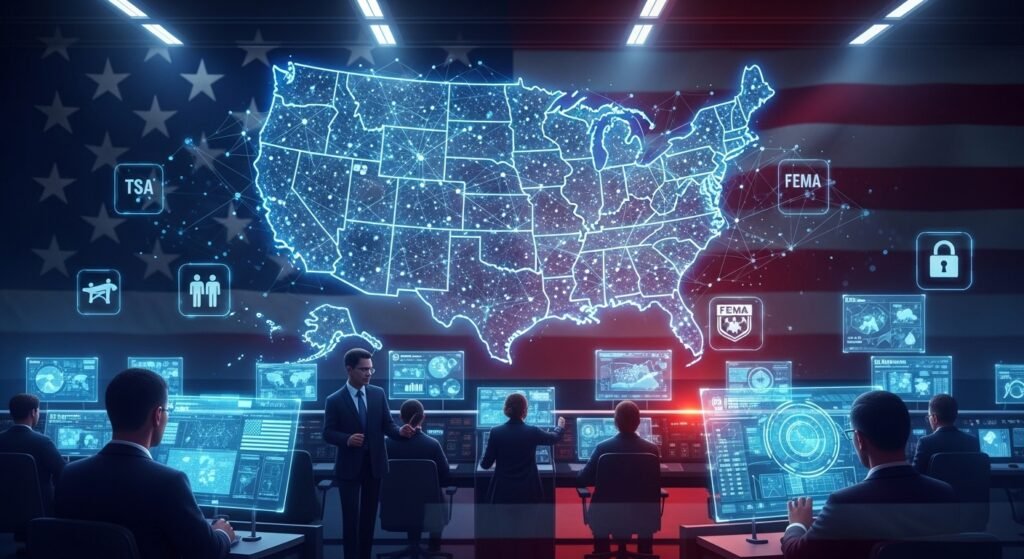
These goals help the agency prevent attacks, respond to disasters, and keep the economy running smoothly.
Key Issues and Challenges DHS Addresses
DHS exists because of real-world threats. Terrorism remains a top concern, but the agency also tackles border security, illegal immigration, drug trafficking (especially fentanyl), cyberattacks, and natural disasters made worse by climate change. Emerging problems like AI-powered scams, drone threats, and supply-chain vulnerabilities add new layers of complexity.
Internally, the department faces its own hurdles. Government reports highlight ongoing issues with transparency, accountability, efficiency, and long-term sustainability. Outdated technology, staffing shortages, and budget battles often slow progress. For example, major management challenges include managing huge contracts, modernizing IT systems, and keeping skilled workers on the job.
A pressing current issue is the partial DHS shutdown that began on February 14, 2026. Stemming from congressional disputes over immigration funding and enforcement, the shutdown has left thousands of employees—including TSA officers, Coast Guard civilians, and cybersecurity staff—working without pay for weeks. This has caused flight delays, higher call-out rates among security screeners, and billions in economic losses. As of early April 2026, the shutdown is the longest in U.S. history at over 50 days, with lawmakers still negotiating a fix.
Latest Developments and Insights
In 2026, DHS continues to evolve. New leadership under Secretary Markwayne Mullin has emphasized stronger border enforcement and immigration reforms. The agency’s 2025 Homeland Threat Assessment (still relevant into 2026) points to growing risks from transnational crime groups, nation-state hackers, and violent extremists. AI-driven threats and drone incursions are rising fast.
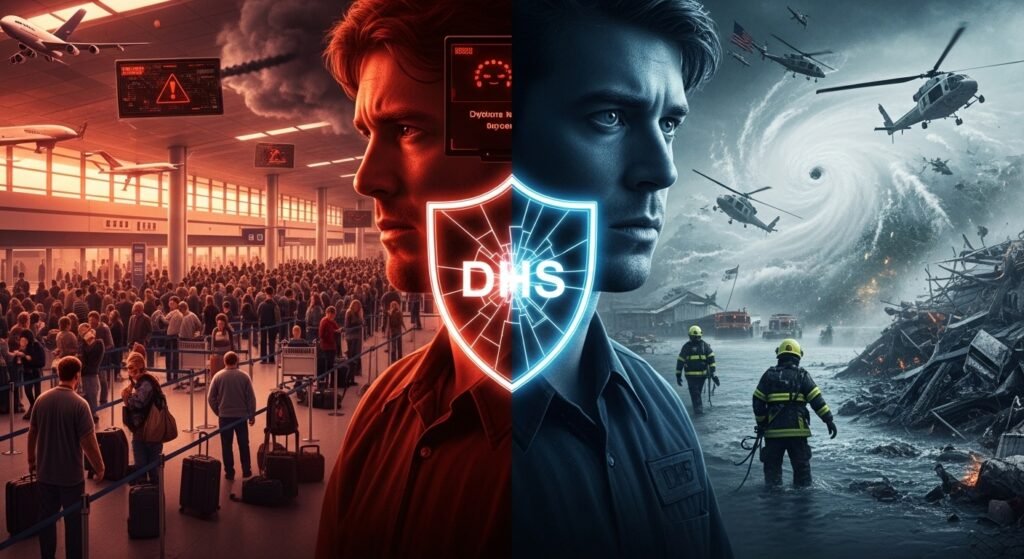
YouTube discussions offer fresh, real-time perspectives. Hearings streamed on official channels, such as the House Committee on Homeland Security, highlight the shutdown’s real-world harm: airports seeing four-hour delays, economic losses topping $2.5 billion so far, and worries about weakened national security. Analysts on news channels break down how the funding standoff affects visa processing, disaster preparedness, and daily travel. These videos show the human side—federal workers struggling financially while still showing up for duty—making complex policy easier to grasp.
Science and technology efforts are also advancing. DHS’s Science and Technology Directorate is rolling out tools to spot drones, strengthen freight rail cybersecurity, and improve border analytics. These innovations aim to stay ahead of fast-changing threats.
Practical Tips and Solutions for the Public
DHS doesn’t just protect the country—it empowers people to protect themselves. Here are simple, actionable steps:
For Cybersecurity:
- Use strong, unique passwords and enable two-factor authentication.
- Keep software updated and be wary of suspicious emails or links.
- Visit CISA’s website for free tools and alerts on current threats.
For Travel and Borders:
- Check TSA wait times and flight status before heading to the airport, especially during funding disruptions.
- Have valid documents ready for international travel; USCIS (part of DHS) handles visa and citizenship questions online.
- If you see something suspicious at an airport or border, report it via the “If You See Something, Say Something” campaign.

For Disaster Preparedness:
- Build an emergency kit with water, food, flashlight, and medications.
- Sign up for local alerts through FEMA’s Ready.gov site.
- Know your evacuation routes and practice a family emergency plan.
During the Current Shutdown:
- Expect possible longer security lines—arrive early and check apps for real-time updates.
- Support affected workers by staying patient and informed; many continue critical duties without pay.
These tips come straight from DHS programs and help reduce risks while the agency handles bigger-picture challenges.
Conclusion
The Department of Homeland Security plays a vital role in keeping America safe, secure, and resilient. From fighting terrorism and cyber threats to responding to disasters and managing borders, its work touches millions every day. While challenges like the ongoing 2026 funding standoff show how politics can slow progress, the agency’s dedicated workforce continues to deliver results.
Stay informed by visiting the official DHS website (dhs.gov) for news, alerts, and resources. Small personal actions—practicing good cyber habits, preparing for emergencies, or reporting suspicious activity—make a real difference. By understanding DHS and supporting its mission, everyday citizens help build a safer homeland for everyone. The threats may change, but the commitment to protection remains constant.
FAQs
The U.S. Department of Homeland Security (DHS) is a federal agency responsible for protecting the United States from threats such as terrorism, cyberattacks, and natural disasters. It was created after the September 11, 2001 attacks and combines multiple agencies under one department.
DHS impacts daily life by securing airports through TSA, managing borders via CBP and ICE, responding to disasters through FEMA, and protecting against cyber threats with CISA.
In 2026, DHS faces challenges such as terrorism threats, cyberattacks, illegal immigration, drug trafficking, climate-related disasters, and internal issues like staffing shortages and outdated technology.
Individuals can improve safety by following DHS guidance such as using strong passwords, preparing emergency kits, monitoring travel updates, and reporting suspicious activity through official programs.