
For over seven years, the global Pi Network community has shared a singular, repetitive ritual: a daily tap on a smartphone screen to “mine” a digital asset that—until recently—existed only in a closed, experimental loop. But as of March 2026, the narrative of the “world’s most widely distributed cryptocurrency” has fundamentally shifted.
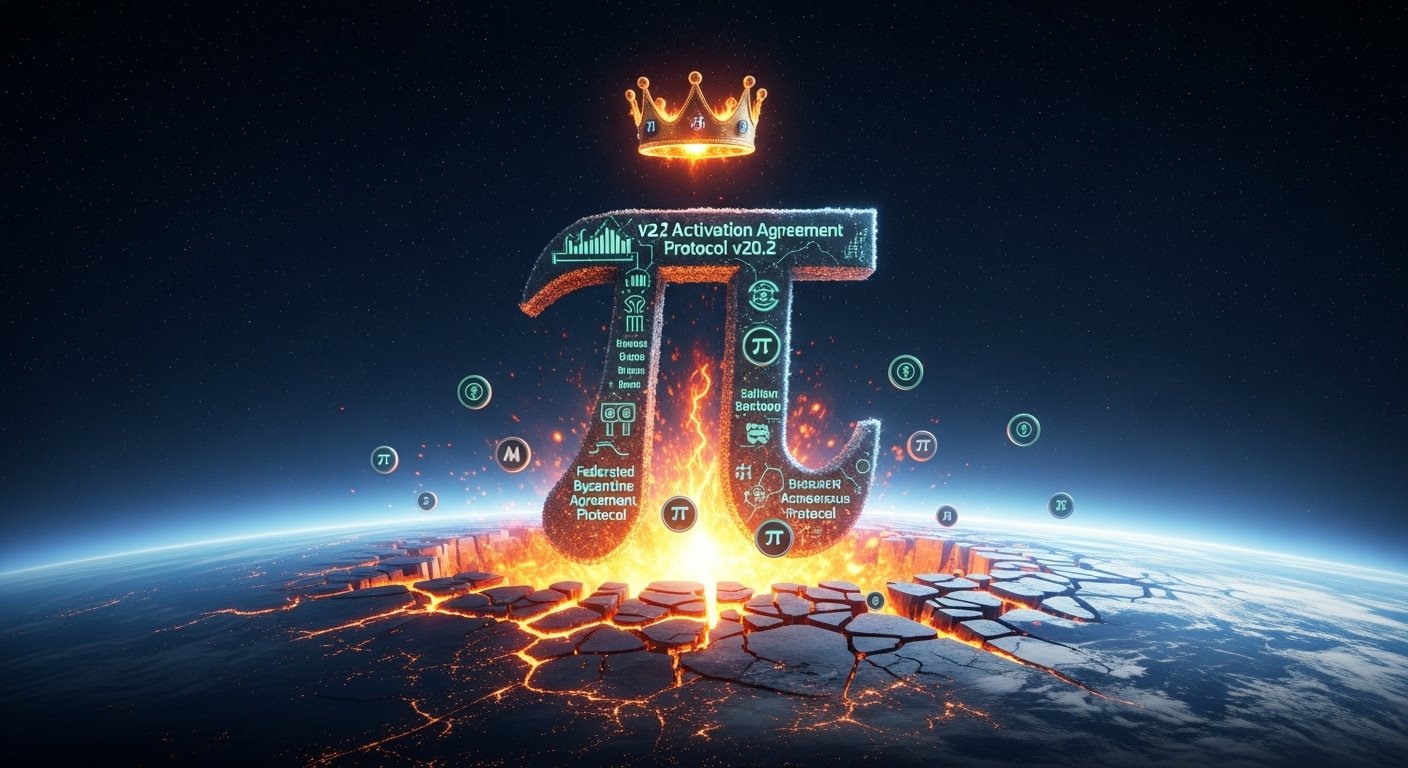
We have moved beyond the era of speculative tapping. With the official confirmation of the Pi DEX launch on March 12, 2026, and the rollout of the mandatory v20.2 protocol upgrade, Pi Network is finally crossing the chasm from a social experiment to a functional decentralized economy.
This guide provides an exhaustive, research-backed deep dive into the state of Pi Coin today. Whether you are a “Pioneer” with thousands of coins waiting for migration or a crypto analyst tracking the next major Layer-1 breakout, this is the definitive status report on the Pi Network ecosystem.
The Road to Open Mainnet: Where Are We in the 2026 Roadmap?
The most frequent question in the crypto space for years has been: “When Pi Open Mainnet?” In early 2026, the Pi Core Team (PCT) provided the most concrete answers to date. Unlike previous years characterized by vague “conditions-based” timelines, 2026 has been defined by hard technical deadlines.
The March 12 Milestone: v20.2 and the DEX Activation
The network is currently undergoing its most significant structural shift since its inception in 2019. The v20.2 Protocol Upgrade, which became mandatory for all node operators on March 12, 2026, serves two critical purposes:
- Closing Testnet2: This signifies the end of the “beta” era. The network is permanently transitioning its resources to the Mainnet infrastructure.
- Activating the Pi DEX: For the first time, peer-to-peer (P2P) trading of Pi and other ecosystem-native assets will be natively supported within the Pi Browser via a decentralized exchange.
This move is not just a software update; it is the activation of the network’s “economic heart.” By integrating a DEX directly onto the Mainnet, Pi Network is bypassing the traditional reliance on centralized exchanges (CEXs) for initial price discovery.
Protocol v23.0: Looking Toward Q2 2026
The roadmap doesn’t end in March. The PCT has already telegraphed the Protocol v23.0 upgrade, targeted for late Q2 2026. This update is expected to finalize enhancements ported from the latest Stellar Core (the foundation of Pi’s architecture), specifically focusing on:
- Smart Contract Optimization: Allowing for more complex dApps.
- High-Throughput Scaling: Preparing for a surge in transaction volume as more “unblocked” Pioneers enter the market.
Pi KYC Update: Solving the “Tentative Approval” Bottleneck
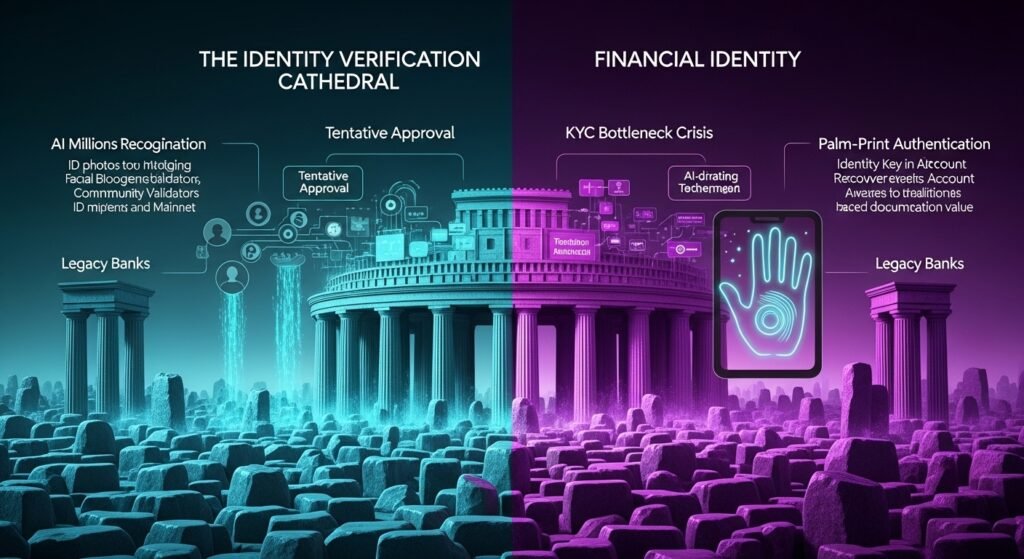
For millions, the biggest barrier to entry hasn’t been technical—it’s been identity. The Pi KYC (Know Your Customer) process has historically been a point of friction, but recent AI-driven patches and community-led validation have broken the logjam.
The 16 Million Milestone
As of February 2026, official data confirms that over 16 million Pioneers have successfully completed their KYC and migrated their mobile-mined balance to the Mainnet. This makes Pi one of the largest identity-verified blockchains in existence, outperforming many traditional financial institutions in sheer KYC volume.
New Verification Tech: Palm-Print and AI
To solve the remaining bottlenecks—particularly for users in regions with poor ID documentation or complex facial recognition issues—the network has introduced:
- Palm-Print Authentication: Currently in beta, this serves as a secondary liveness check and an account recovery tool.
- KYC-as-a-Service: In a strategic pivot, the Pi Core Team has hinted that their proprietary KYC technology may be offered to external Web3 projects, positioning Pi as a competitor to identity protocols like WorldCoin.
Validator Rewards: The End of March 2026
A major point of contention has been the lack of compensation for the community “Validators” who manually check IDs. The PCT has confirmed that the KYC Validator Reward Launch is scheduled for the end of March 2026. This will distribute Pi to those who have built the network’s trust layer, further incentivizing the final push toward 100% community verification.
Pi Coin Price Analysis: Reality Check vs. IOU Speculation
Navigating the valuation of Pi Coin requires a disciplined distinction between Mainnet Pi and Exchange IOUs.
The IOU Market (BitMart, HTX, Bybit)
Since late 2022, several exchanges have listed “Pi IOUs”—essentially placeholders that represent the perceived value of Pi once it hits open markets.
- Current IOU Price (March 2026): ~$0.20 – $0.23
- Recent Momentum: The IOU price surged over 35% in the first week of March 2026, driven by the DEX launch news.
- Volatility Warning: These IOUs are highly speculative and do not represent actual Pi coins that can be deposited or withdrawn from the Pi Wallet.
Real-World Valuation: The “GCV” Debate
Inside the Pi ecosystem, a segment of the community advocates for a “Global Consensus Value” (GCV) that is significantly higher than market IOUs. However, from a technical SEO and financial analyst perspective, the true value of Pi will be determined by:
- Circulating Supply: How many of the 100 billion total supply are actually migrated and “unlocked.”
- Utility Demand: The number of Picoins needed to buy goods and services within the Pi Browser.
| Metric | 2025 Status | March 2026 (Current) |
| Migrated Users | ~10 Million | 16.2 Million |
| Protocol Version | v19.x | v20.2 (Production Ready) |
| Primary Utility | “Tapping” / Staking | Pi DEX / Commerce |
| Market Access | Enclosed Mainnet | Transitioning to Open |
Technical Deep Dive: Is Pi Actually Decentralized?
Critics often dismiss Pi as “just an app.” However, a look at the Stellar Consensus Protocol (SCP) implementation tells a different story.
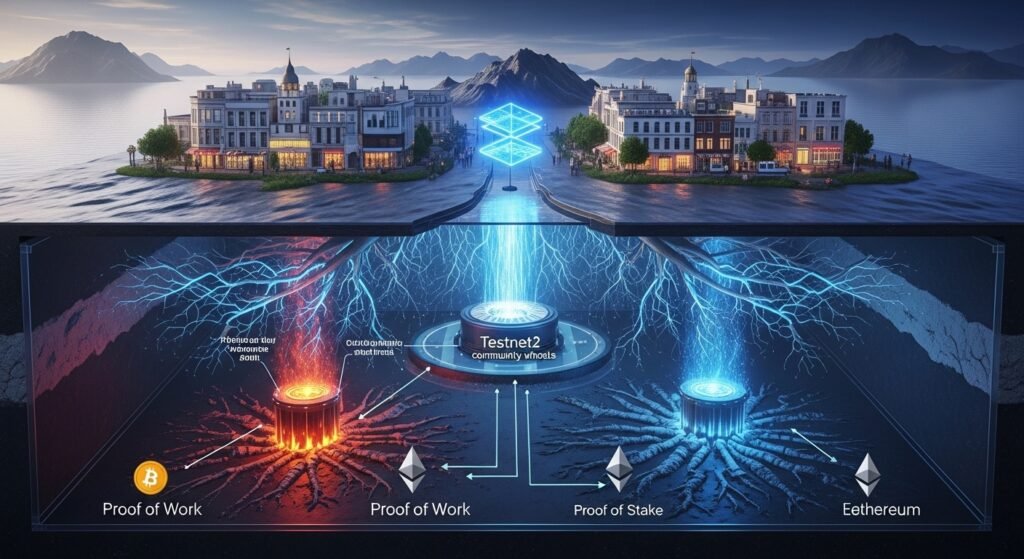
Unlike Bitcoin (Proof of Work) or Ethereum (Proof of Stake), Pi uses Federated Byzantine Agreement (FBA). This allows individual nodes to form “quorum slices,” reaching consensus without the massive energy consumption of mining or the wealth-concentration risks of pure staking.
Node Infrastructure
In 2026, the Pi Network boasts one of the most robust node distributions in the world:
- Total Nodes: Estimated over 200,000 active nodes.
- Supernodes: Specialized nodes that handle high-speed transaction validation and the global ledger’s integrity.
- Decentralization Score: With the shutdown of Testnet2 on March 12, the network is now fully reliant on these community-run nodes, marking a true “progressive decentralization” milestone.
The Pi Ecosystem: Beyond the Mining Button
Utility is the only hedge against post-launch dump pressure. In 2026, the “Pi Browser” has evolved into a Web3 super-app.
1. Pi Commerce & Merchant Integration
In Southeast Asia and parts of Africa, local merchants have already begun accepting Pi for physical goods—from coffee to electronics—using “QR Scan-to-Pay” features. This “circular economy” is vital because it creates a floor price based on real-world purchasing power rather than just exchange speculation.
2. Pi DeFi & The DEX
The March 12 DEX launch introduces:
- Liquidity Pools: Users can provide liquidity to Pi/USDT or Pi/BTC pairs (within the ecosystem).
- Yield Opportunities: Rewards for those who lock their Pi to secure the DEX’s liquidity.
3. PiDAO Governance
2026 marks the beginning of PiDAO. Pioneers who have completed KYC and hold a minimum balance will likely begin voting on ecosystem fund allocations and future protocol parameters, shifting power from the Core Team to the community.
Regulatory Landscape & MiCA Compliance
One reason for Pi’s “slow and steady” approach is its focus on long-term survival in a regulated world. In late 2025, Pi Network filed its MiCA (Markets in Crypto-Assets) whitepaper in Europe.
This move is strategic: by ensuring compliance with European standards early, Pi is clearing the path for listings on major regulated exchanges like Kraken, Coinbase, or Binance once the “Open Mainnet” phase is fully declared. This regulatory-first approach distinguishes Pi from many “meme coins” that face delisting risks.
Technical SEO Checklist for Pioneers
To ensure you are safely participating in the 2026 rollout, follow this checklist:
- Update the App: Ensure you are running the latest version of the Pi App and Pi Browser from official stores.
- Secure Your Passphrase: With the DEX launch, your 24-word passphrase is more valuable than ever. Never enter it anywhere except the official
wallet.piaddress inside the Pi Browser. - Check Migration Status: Go to the “Mainnet Checklist” in your app. Ensure Step 8 (Migrate to Mainnet) is green.
- Node Operators: Ensure your Docker and Pi Node software is updated to v20.2 before the March 12 deadline.
Frequently Asked Questions (FAQ)
Q1: Can I sell my Pi Coin for USD today (March 2026)?
Directly on an exchange? Only if you are trading IOUs. Inside the ecosystem? Yes, the March 12 DEX launch allows for peer-to-peer trading, and many local merchants accept Pi for goods/services.
Q2: What is the official Pi Network Open Mainnet launch date?
While the “Open Mainnet” (connection to external blockchains) is a phased process, the activation of the Pi DEX on March 12, 2026, represents the functional start of the open economic phase.
Q3: Why is my KYC still “Tentative”?
“Tentative” approval usually means the AI has flagged a minor discrepancy (e.g., blurry ID photo). With the late March 2026 launch of the new validator reward system, more human validators will be active to clear these pending cases.
Q4: Is Pi Network a scam?
As of 2026, with 16M+ KYC-verified users, a live Mainnet blockchain, and a functional DEX, Pi has moved past the “scam” accusations common in its early years. It is now classified as a legitimate, albeit highly unconventional, Layer-1 blockchain project.
Conclusion: The Dawn of the Pi Economy
The year 2026 is the “Year of Validation” for Pi Network. The transition from a mobile mining app to a DEX-integrated, protocol-hardened blockchain is nearly complete. While the price of Pi remains subject to the volatile forces of supply and demand, the infrastructure is now undeniable.
For the millions who have waited since 2019, the message is clear: the button-pressing era is ending, and the utility era has begun.